
Last updated November 20, 2026
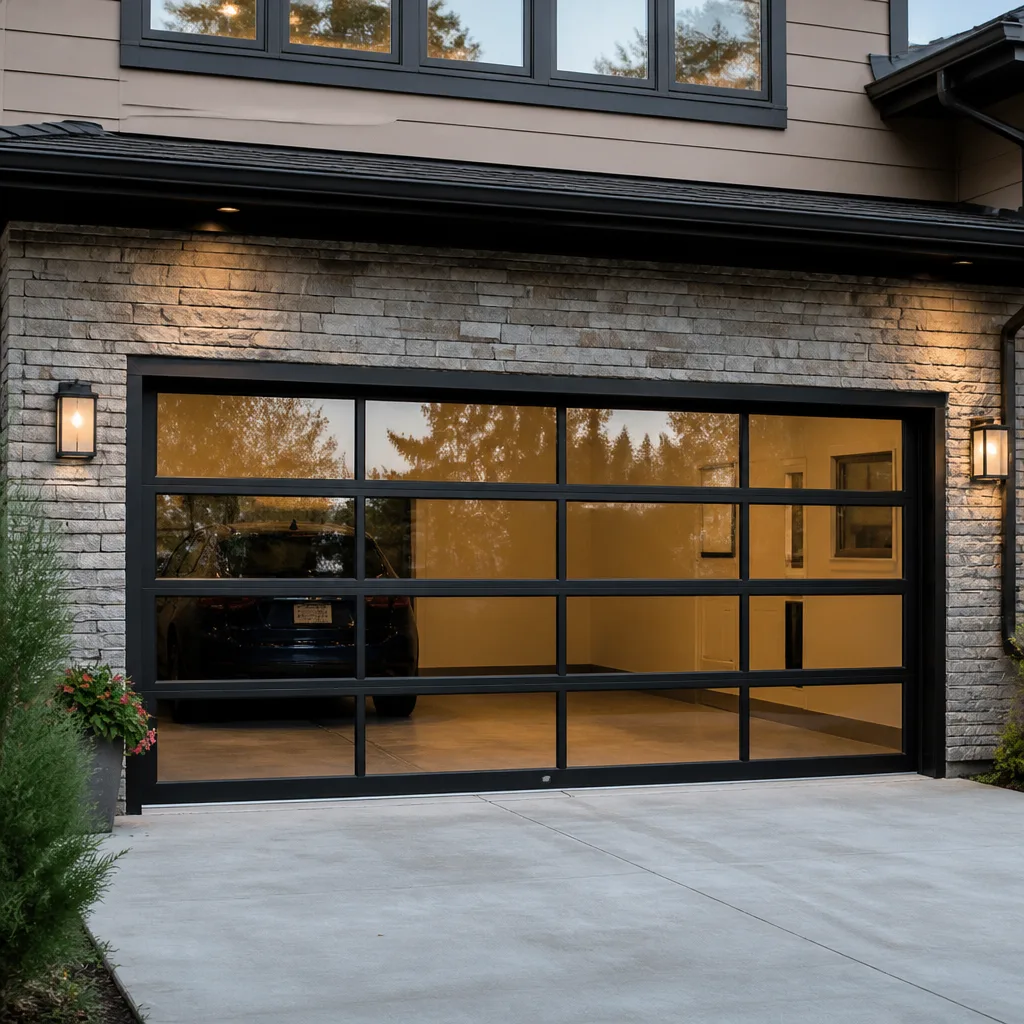 Full-view glass
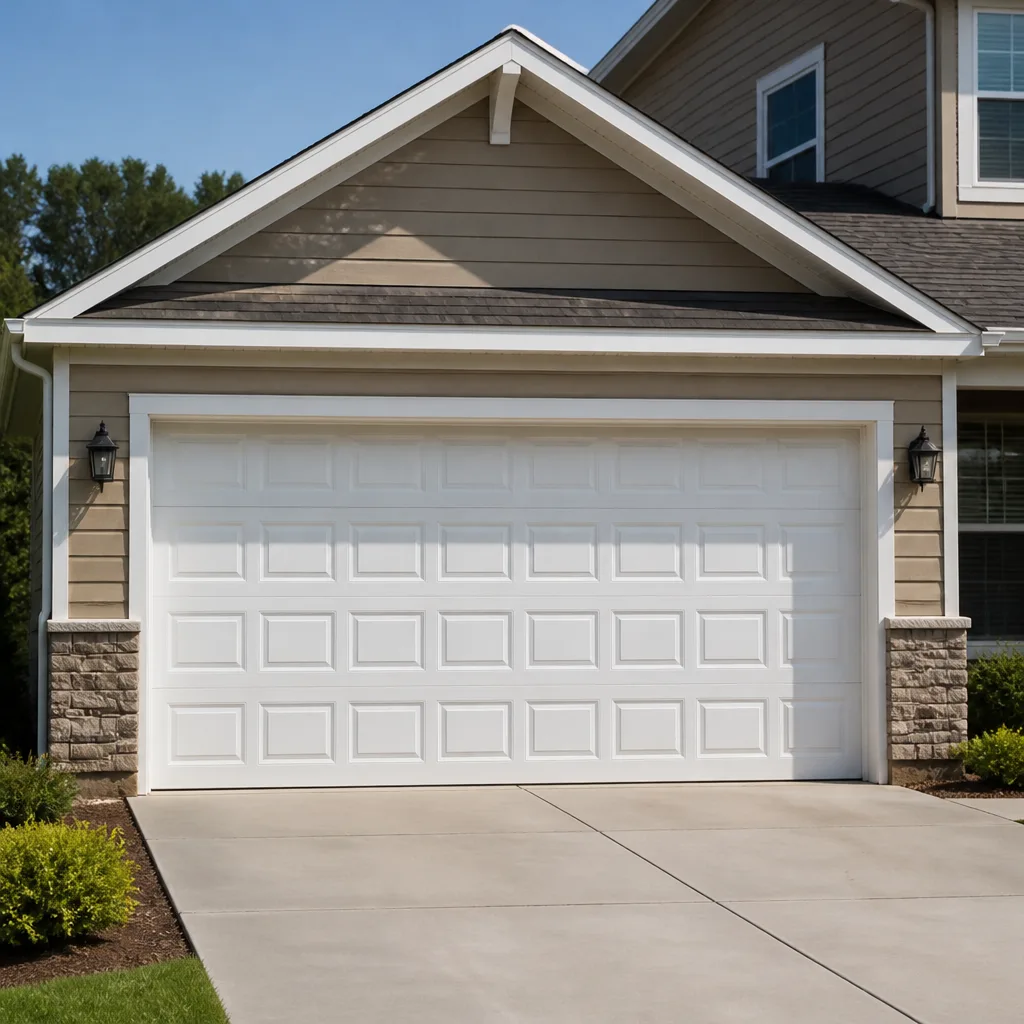 Raised-panel steel
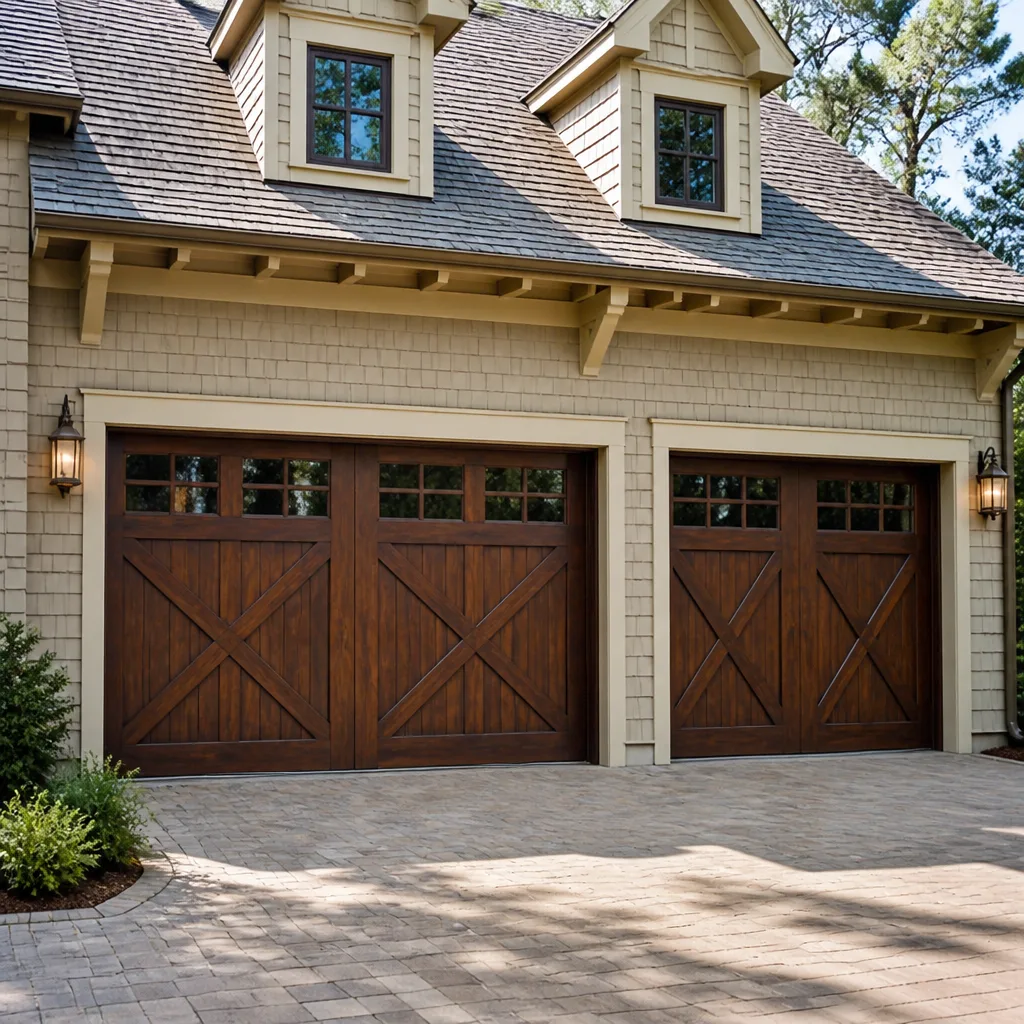 Carriage house
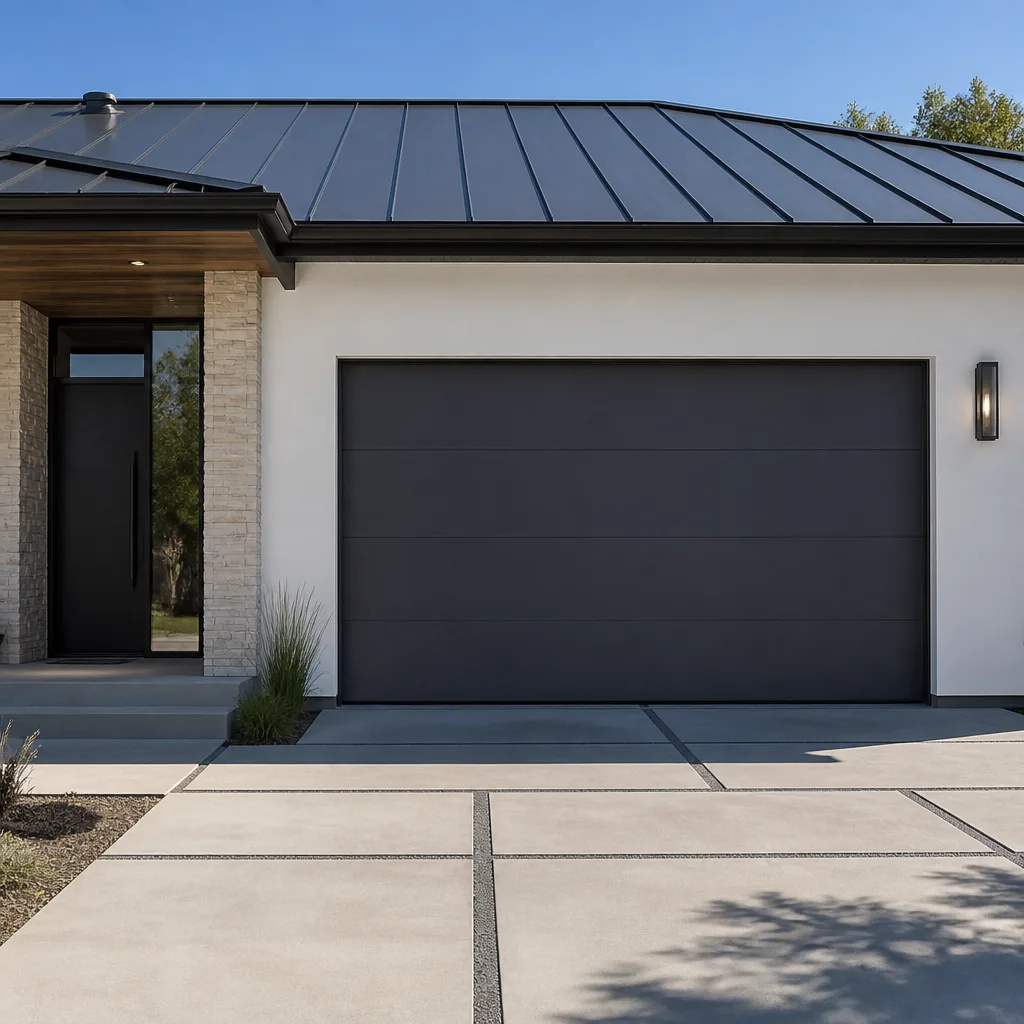 Modern flush
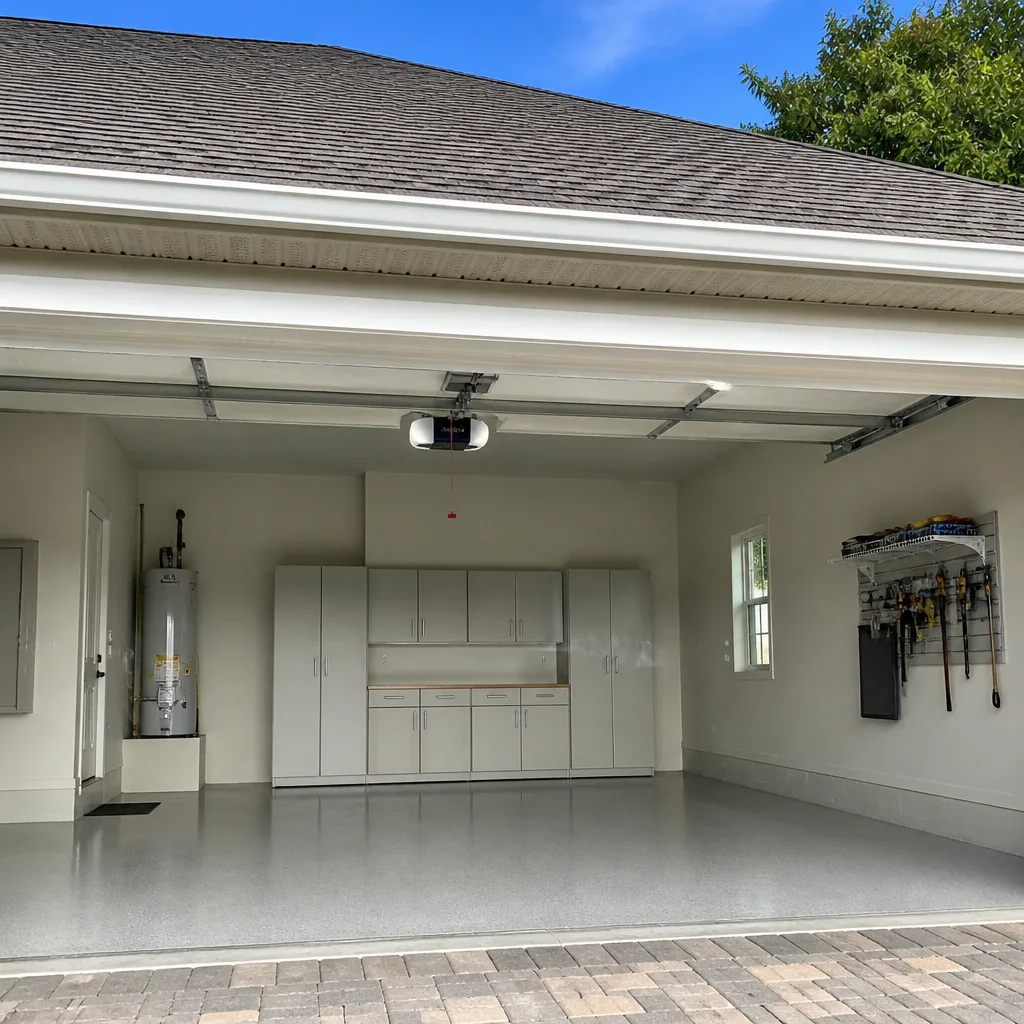 LiftMaster openers
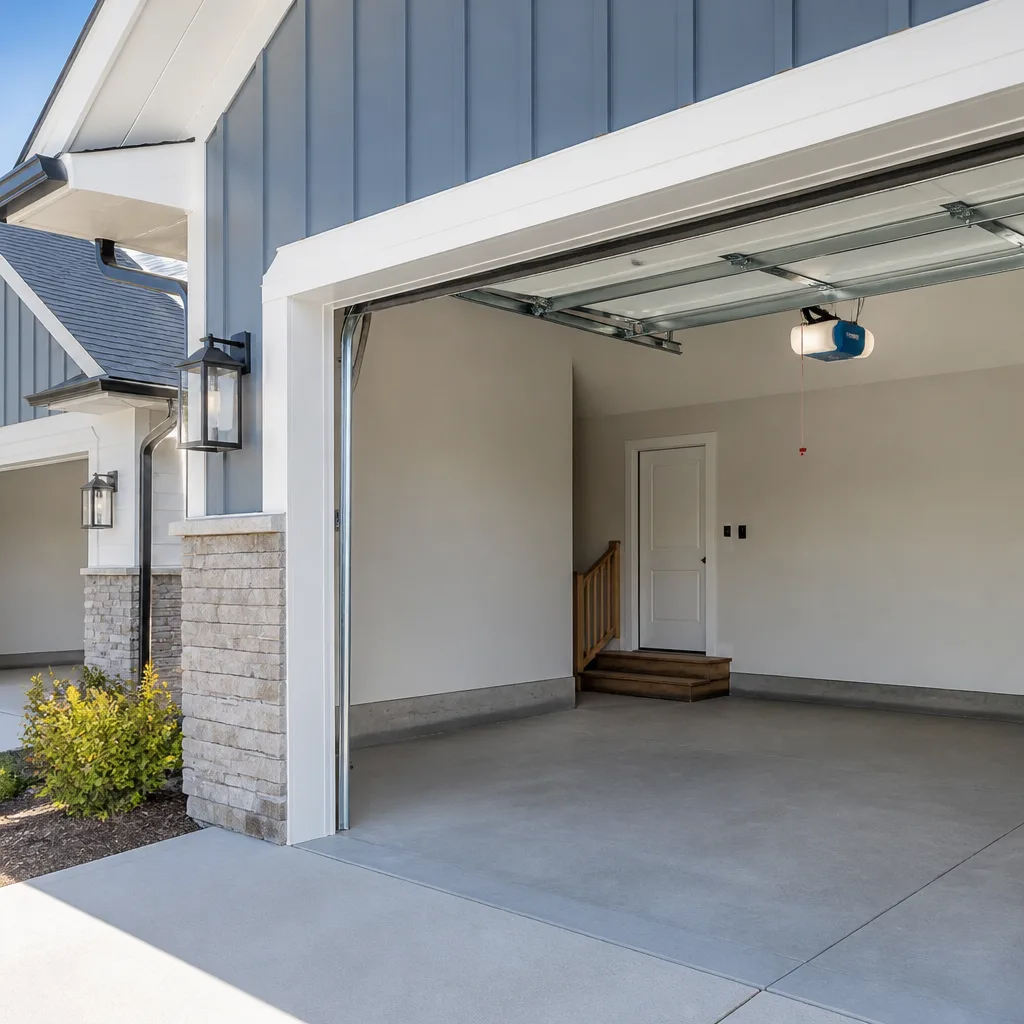 Chamberlain openers
Full 25-point door and opener safety check with every visit - springs, cables, rollers, tracks, and your LiftMaster or Chamberlain opener included
You get a price before we start. It does not change when the pro arrives.
Get your free estimateThe Complete Guide to Garage Doors in Channelview
Most homeowners in Channelview pick a replacement door by how it looks from the street. It’s an understandable choice, and it’s usually the wrong first question. Here on the Gulf Coast, heat and humidity work on steel, springs, and lubricant every month of the year, and a door spec’d for a dry climate can look great on day one and start fighting you by year three. This guide treats the garage door as a mechanical system shaped by local conditions: what fails here, which brands dominate local driveways, how slab foundations change seal choices, and what a real inspection should cover.
Quick Answer
A garage door in Channelview needs to be chosen and serviced for heat and humidity, not just appearance. The system that lasts is a correct spring match, corrosion-resistant hardware, a properly aligned bottom seal for a slab foundation, and an opener sized to the door’s weight. When you’re buying or repairing, ask about torsion assembly condition, track geometry, and opener force settings – not only the panel finish.
Styles & brands we work with
- Raised-panel steel
- Carriage house
- Modern flush
- Full-view glass
- LiftMaster openers
- Chamberlain openers
Table of Contents
- How Channelview’s Heat and Humidity Shape Your Door System
- Slab Foundations and Why Your Bottom Seal Leaks or Binds
- The Brands That Dominate Channelview Driveways
- Storm-Rated vs. Wind-Load-Rated: What Actually Matters Here
- Materials and Specs to Look For When Buying
- What a Full System Inspection Should Cover
- Repair Decisions: Fix, Adjust, or Replace
- Common Mistakes to Avoid
- When to Call a Professional
- Frequently Asked Questions
How Channelview’s Heat and Humidity Shape Your Door System
The first thing to understand about a garage door in Channelview is that it lives outdoors in a sense. A garage is often the least climate-controlled space in a house, and the humid air around the Houston area settles into it. Doors on west- and south-facing walls take direct afternoon sun for hours. That combination of heat and moisture is what drives most early wear.
The humidity cycle is the real decision-maker. Steel springs, hinge pins, roller stems, and track brackets all sit in air that swings between wet and dry. Moisture settles on bare metal overnight and evaporates by midmorning. Over time that cycle leaves surface corrosion, and corrosion pits the metal. A pitted spring is a weaker spring.
What that means for homeowners:
- Springs and torsion hardware fail sooner than in drier markets, so specify galvanized or otherwise coated springs and have them oiled as part of routine service.
- Hinges and rollers benefit from a light, humidity-resistant lubricant rather than nothing at all. Dry metal in a humid garage is where squeal begins.
- Wood-composite and steel panels take on moisture differently. Powder-coated steel with a factory finish holds up better in this climate than many people expect, while some low-end composites swell.
- Weather seals break down faster. Rubber and vinyl seals exposed to heat and humidity harden and crack, and a cracked seal lets in more humid air and, in some yards, water runoff.
None of this is a reason to panic. It’s a reason to buy for durability and service the system on a schedule. If your door is already making noise or hesitating, that’s a sign the hardware wants attention before the next wet stretch. Call (855) 658-4106 if you’d rather have a technician look at it than guess.
Slab Foundations and Why Your Bottom Seal Leaks or Binds
Most homes in Channelview sit on a slab, and slabs aren’t perfectly flat at the garage opening. Concrete moves, settles slightly, and pours with small variations. That matters because your bottom seal sits on the floor and has to make contact along the whole width. When the slab dips or rises a fraction of an inch, the seal either gaps at one end or drags at the other.
Two symptoms follow. A gapped seal lets in humid air, insects, and water from the driveway. A dragging seal creates friction that the opener has to fight, which shows up as a door that reverses for no clear reason or an opener that sounds labored at the very start of travel.
How to think about seal selection for a slab:
- Measure the gap, not the door. A technician checks clearance along the full width of the opening before choosing a seal profile.
- Match the profile to the floor. A standard bulb seal works on a flat floor; an uneven slab often needs a thicker or adjustable seal that follows the dips.
- Check the door’s travel. A new seal adds thickness at the bottom, and if the door’s up and down travel wasn’t set for it, the opener force settings need adjusting.
- Re-check after a season. Slab edges and thresholds shift with moisture, so a seal that fit in one season may want attention in the next.
This is one of the most overlooked parts of a garage door in Channelview, and it’s cheap relative to everything else – which is why it’s worth doing right rather than grabbing whatever seal is on the shelf.
The Brands That Dominate Channelview Driveways
One advantage of working from Channelview is knowing what’s actually installed here. We see certain manufacturers again and again, and each has its own failure patterns. That’s why brand familiarity matters: a technician who works on your brand every week diagnoses faster than one meeting it for the first time.
LiftMaster and Chamberlain openers are everywhere on newer builds and on homes where the opener has been upgraded. They share a design lineage, and their failure points are consistent – logic board trouble after power surges, belt and chain wear, safety sensor alignment. Many older units are connected to a smart-home system, and those setups take a little more care to diagnose because the app can report blind to the mechanical problem.
Genie openers show up on a lot of remodels and mid-range builds, and a frequent complaint is motor strain from a door that’s gotten heavier over time. The opener gets blamed when the real issue is a tired spring.
Craftsman units from the consumer shelf are common in garages that haven’t been updated. Their failure pattern tends to be age: boards, gears, and remotes that simply wear out.
Clopay is one of the most common door brands on residential driveways in the area, and their steel door lines age predictably with proper coating. What often fails first is the hardware around the door, not the panels.
Across all of these, the pattern is the same: know the brand, know the failure, and you don’t spend an afternoon guessing. That’s the difference between a specialist and a generalist.
Storm-Rated vs. Wind-Load-Rated: What Actually Matters Here
This is one of the most confused topics in the local garage door market. A storm-rated door and a wind-load-rated door are not the same thing. A storm-rated door is tested for impact resistance – usually rain, wind-driven debris, and occasionally hail. A wind-load-rated door is engineered and labeled for structural pressure from wind on the door surface. A door can be one without being the other.
Channelview’s building environment deals with Gulf storms, so wind-load ratings matter much more than most sales pitches suggest. Here’s how to sort it out:
- Check with your local building department about whether a wind-load-rated door is required or expected for your home’s age and construction type. Rules vary by jurisdiction and change over time.
- Ask your insurer what documentation they want for a door to be considered in a policy – often a manufacturer’s rating label or a spec sheet.
- Don’t accept a “storm-rated” label alone if wind-load resistance is what you need. Ask specifically for the wind-load rating.
- The door is only part of the system. Reinforced tracks, brackets, and hinge hardware hold a rated door in place. A rated panel on standard tracks doesn’t do what a rated system does.
If you’re replacing a door in Channelview and want to make sure it’s appropriate for the environment, that is a conversation worth having before ordering. We can talk through what your door needs to do, and the written estimate will spell out what’s included.
Materials and Specs to Look For When Buying
Most people over-focus on panel style when they buy a door. Style is fine to care about, and you should love how your house looks. But if you’re buying in Channelview, a few specs beneath the finish matter more.
- Ask about the steel gauge. Thicker steel resists dents and panel warping in heat. A door that looks the same on the showroom floor can be built from very different steel.
- Look for coated hardware. Galvanized or zinc-coated springs and brackets last longer in humid air. This is not a cosmetic upgrade.
- Insulated panels are worth it in this climate. A garage that shares a wall with the house benefits from good insulation. It’s also quieter.
- Confirm the spring match, not just the door size. A properly matched spring set is what makes the door feel light. An under- or over-sized spring shortens the spring’s life and strains the opener.
- Check the warranty terms carefully. What’s covered, for how long, and whether it’s a parts warranty or includes labor – those all matter.
We won’t claim to have a favorite material for every house. What we’ll say is that a door built to the right spec in a humid environment is the difference between fifteen comfortable years and a door that’s fighting you by year five. That’s why a measure and a written estimate come before any product gets ordered.
What a Full System Inspection Should Cover
An inspection that stops at the door panel isn’t an inspection. The door is just the part you see. The system underneath it is what actually keeps it safe and smooth, and it’s where most failures start. Here’s what a proper inspection covers:
- Torsion assembly. A technician checks springs, cables, drums, and the center bearing for wear, corrosion, or uneven tension. Springs under tension are a serious hazard – never test or adjust them yourself.
- Track geometry. Tracks should be straight, plumb, and secure at the brackets. Even a small bend causes the door to bind.
- Rollers and hinges. Worn or seized rollers are a frequent cause of noise and jerky movement. Hinges take wear too.
- Opener force settings. The opener’s force limits are set to the door’s actual weight and travel. If someone’s ever turned them up to force a stiff door to move, those settings need to be reset correctly.
- Safety reverse test. The auto-reverse and photo-eye sensors are a legal requirement for a reason. A proper inspection tests both.
- Bottom seal and slab contact. As covered above, the seal is where a slab foundation meets the door, and it’s easy to skip.
- Balance test. A well-balanced door should hold position mid-travel. If it slams down or won’t go up, the springs are out of balance.
If any of that makes you uneasy, that’s the right instinct. Springs and cables are genuinely dangerous, and a trained professional with the right tools is the only safe way to handle them. Channelview Garage Door Repair Pros offers free estimates on repairs and replacements, and our technicians have up to 8 years of experience working on this equipment.
Repair Decisions: Fix, Adjust, or Replace
Not every problem needs a new door. Many “it needs replaced” diagnoses are really adjustments. Here’s how we think about the decision, and how you can too.
Adjust when the door itself is sound but the force settings, seal, or track alignment are off. These are quick, low-cost fixes.
Repair when a specific component has failed – a broken spring, a bad opener board, a snapped cable, worn rollers. Fix the failed part and the rest keeps working.
Replace when panels are structurally failing, when the cost of repairs approaches the cost of a new door, or when you’re upgrading for insulation, wind-load rating, or appearance.
For a broken spring in particular, the repair is a single-spring job in most cases, and a matched pair is usually replaced together for balance. If you’re trying to decide, the most useful thing you can do is get someone qualified to look. garage door spring repair is one of the highest-risk jobs on the whole system, and it pays to have it diagnosed by someone who does it regularly. Call (855) 658-4106 to schedule an estimate. The price is quoted and agreed before any work starts.
Common Mistakes to Avoid
- Buying on looks alone. In Channelview’s climate, hardware and spring spec matter more than panel finish. A beautiful door with cheap hardware will need attention long before its looks fade.
- Ignoring the bottom seal. A cheap or worn seal on a slab foundation is where moisture and insects get in. It’s the least glamorous, most overlooked part of a door.
- Turning the opener force settings up. When a door gets stiff, the temptation is to force it. That masks the real problem – usually a spring or a track – and strains the opener in the meantime.
- DIY spring work. Torsion springs are stored energy. This is the single most dangerous mistake on the list, and it’s the reason we don’t tell anyone to try it. Call a professional.
- Skipping lubrication because it’s humid. The logic sounds sensible but it’s backwards. Dry metal in humid air corrodes and squeals. Light lubrication helps.
- Not matching the door to the environment. A door spec’d for a dry climate with no coated hardware will struggle here. Ask about corrosion resistance specifically.
- Assuming “storm-rated” covers wind pressure. It doesn’t, necessarily. Ask for the wind-load rating if that’s what your setup needs.
When to Call a Professional
Some jobs really are fine to do yourself: wiping down tracks, testing the safety reverse with a 2×4, replacing a battery in the remote. Others aren’t. Call a professional if your door won’t balance, if a spring or cable has visibly broken, if the door reverses for no reason, if the opener runs but the door doesn’t move, if panels are cracked or the frame is bent, or if the track has pulled loose from the wall. In any of those cases, the door is either unsafe, or a few minutes of guessing could make it worse. Channelview Garage Door Repair Pros offers free estimates in Channelview – call (855) 658-4106. We answer 24/7. Fast dispatch from 7am to 7pm, Sunday through Friday. Same-day service is available on repairs, and the price is set by the written estimate before any work starts.
Frequently Asked Questions
If the door is structurally sound and a component has failed – a spring, an opener, a roller – repair is usually the right call. Replacement makes sense when panels are failing structurally, when repairs approach the cost of a new door, or when you’re upgrading for insulation or a wind-load rating. A free estimate will give you the written numbers to compare. Call (855) 658-4106 and we’ll talk through your options.
Humidity cycles and heat put more wear on springs and hardware than a dry climate does. Moisture settling on bare or lightly coated metal overnight, then evaporating, slowly corrodes and weakens the metal over time. Coated or galvanized springs and regular lubrication are the two things that make the biggest difference here.
A storm-rated door is tested for impact resistance, while a wind-load-rated door is engineered and labeled for wind pressure on the door surface. They’re separate ratings, and one doesn’t imply the other. If you need wind-load resistance for your insurance or building situation, ask specifically for the wind-load rating – not just the storm-rated label. Call (855) 658-4106 if you want to talk through what your home needs.
No. Torsion springs store enough energy to cause serious injury, and adjusting or replacing them without the right tools and training is a genuine hazard. Please leave spring work to a trained professional. garage door spring repair is one of the highest-risk jobs in this trade, and it’s one we handle regularly. Call (855) 658-4106 to schedule a free estimate.
A door that feels heavier usually has a spring problem – the spring has weakened or lost tension, so the opener is doing work the spring is supposed to do. Continuing to force it strains the opener and can lead to a second failure. Get it looked at before the first problem becomes two. Call (855) 658-4106 for an estimate.
We work on the eight manufacturers found in most Channelview driveways: LiftMaster, Chamberlain, Genie, Clopay, Amarr, Wayne Dalton, Craftsman, and Raynor. That covers everything from a LiftMaster smart opener to a legacy Craftsman unit. If you’re not sure what you have, we can identify it during the estimate.
No. The price is set by the written estimate, which we agree with you before any work starts. If we find something additional during a repair, we’ll tell you and quote it separately – we won’t proceed without your approval. Call (855) 658-4106 and we’ll walk you through what to expect.
Same-day service is available on most repairs, including broken springs and failed openers. When you call, we’ll tell you what we can do, and if we can’t get to you today, we’ll find the next available slot. The price is set by the written estimate either way. Call (855) 658-4106. We answer 24/7. Fast dispatch from 7am to 7pm, Sunday through Friday. A call outside dispatch hours will be booked into the next opening.
The Bottom Line
Garage doors in Channelview live in a tougher environment than the national guides account for. Heat and humidity wear hardware faster, slab foundations change how seals fit, and the local housing stock is dominated by eight familiar brands whose failure patterns we know well. The core decisions – right spring match, coated hardware, correct seal, proper opener force settings, and a real full-system inspection – are what keep a door smooth for years. When in doubt, get a written estimate. Call (855) 658-4106 for a free estimate. We answer 24/7. Fast dispatch from 7am to 7pm, Sunday through Friday. Same-day repair where possible, and the price is quoted and agreed before any work starts.
Written by the team at Channelview Garage Door Repair Pros.
See the difference
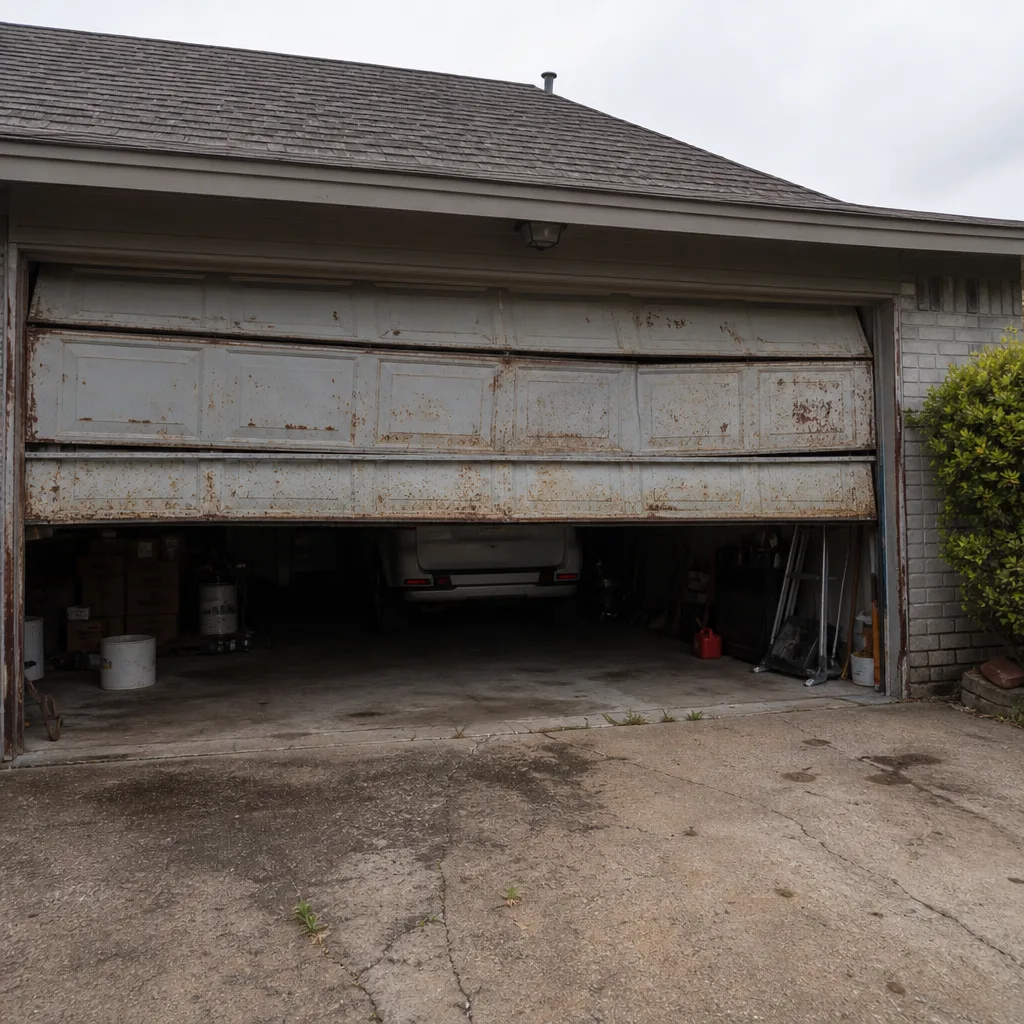 Before
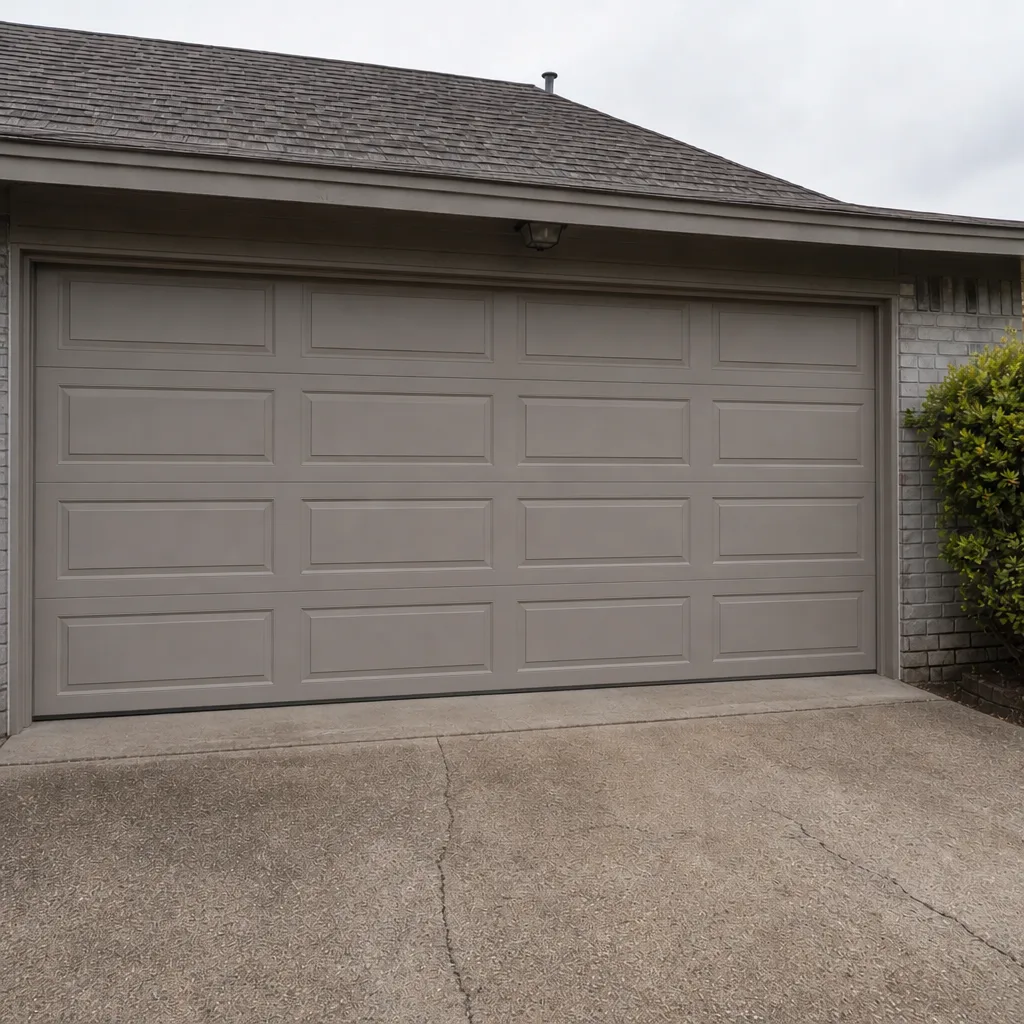 After
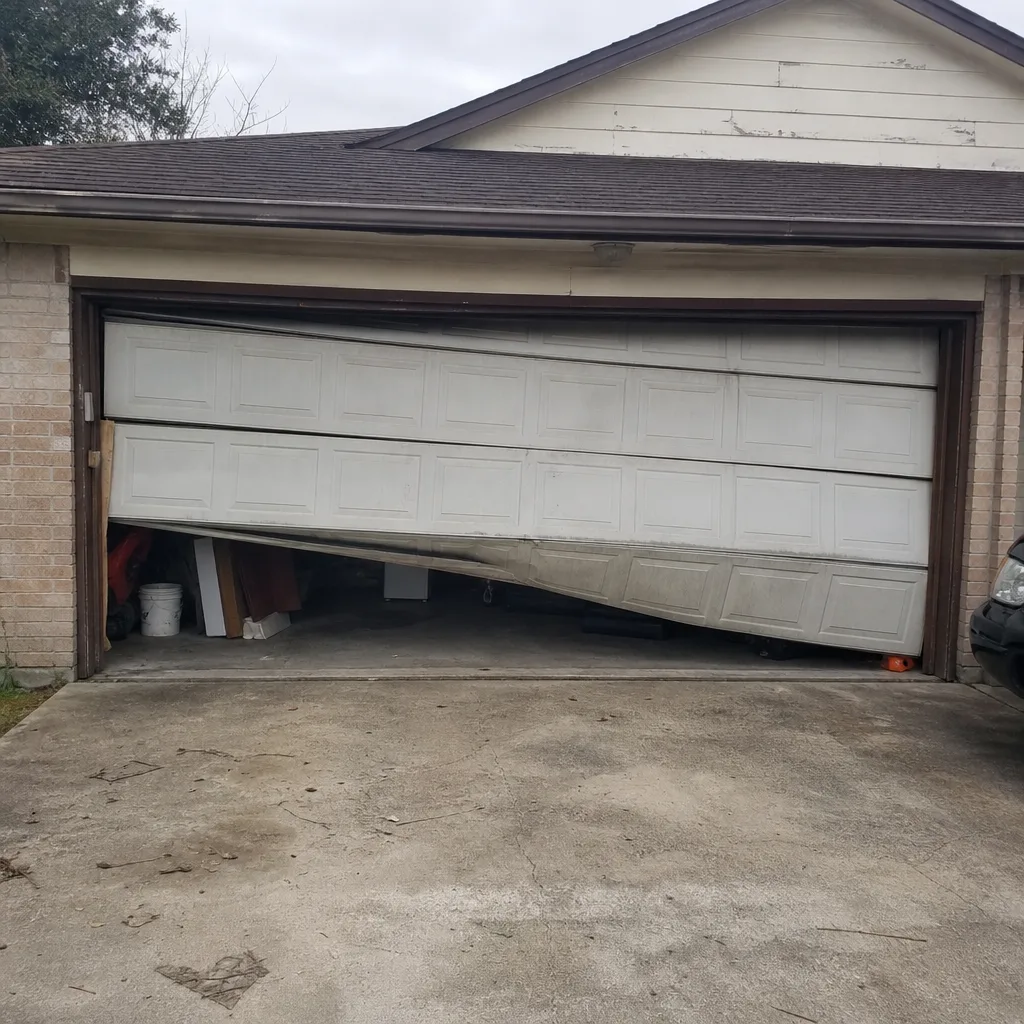 Before
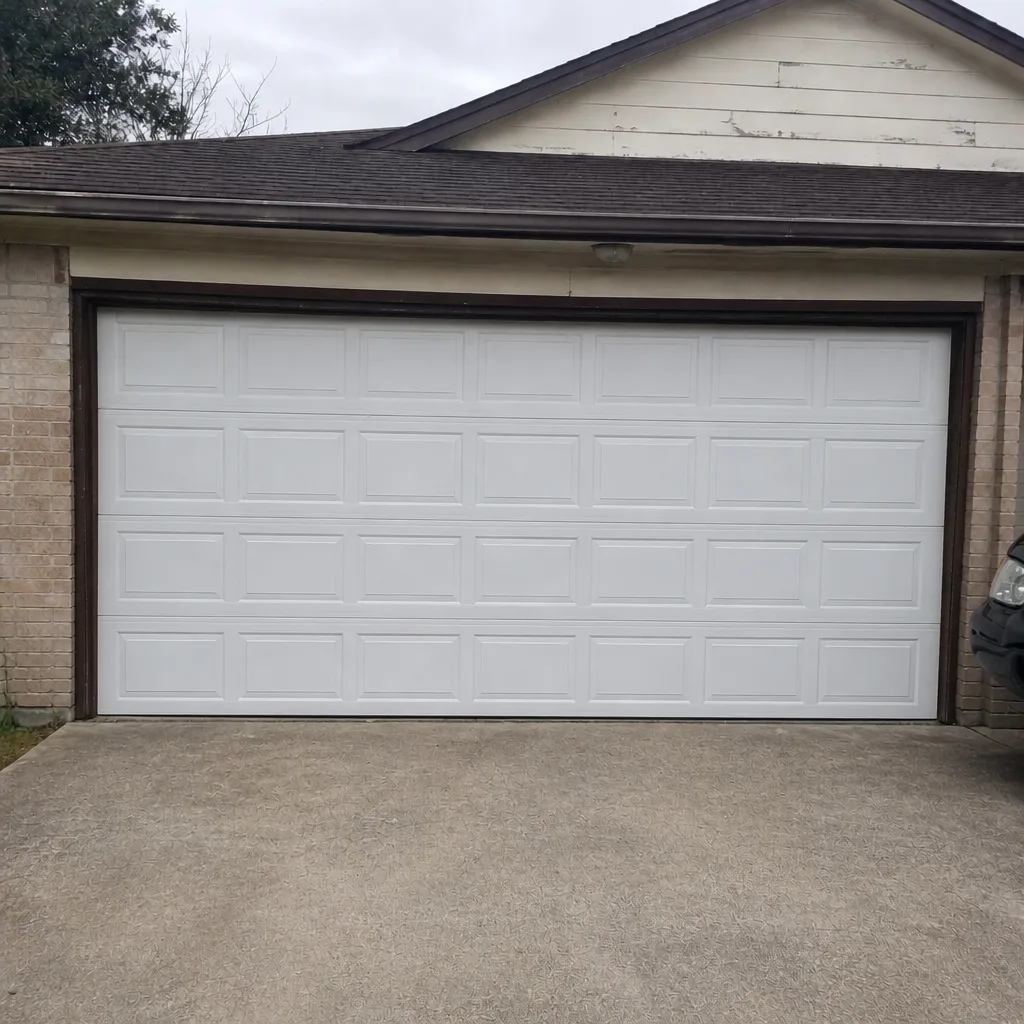 After
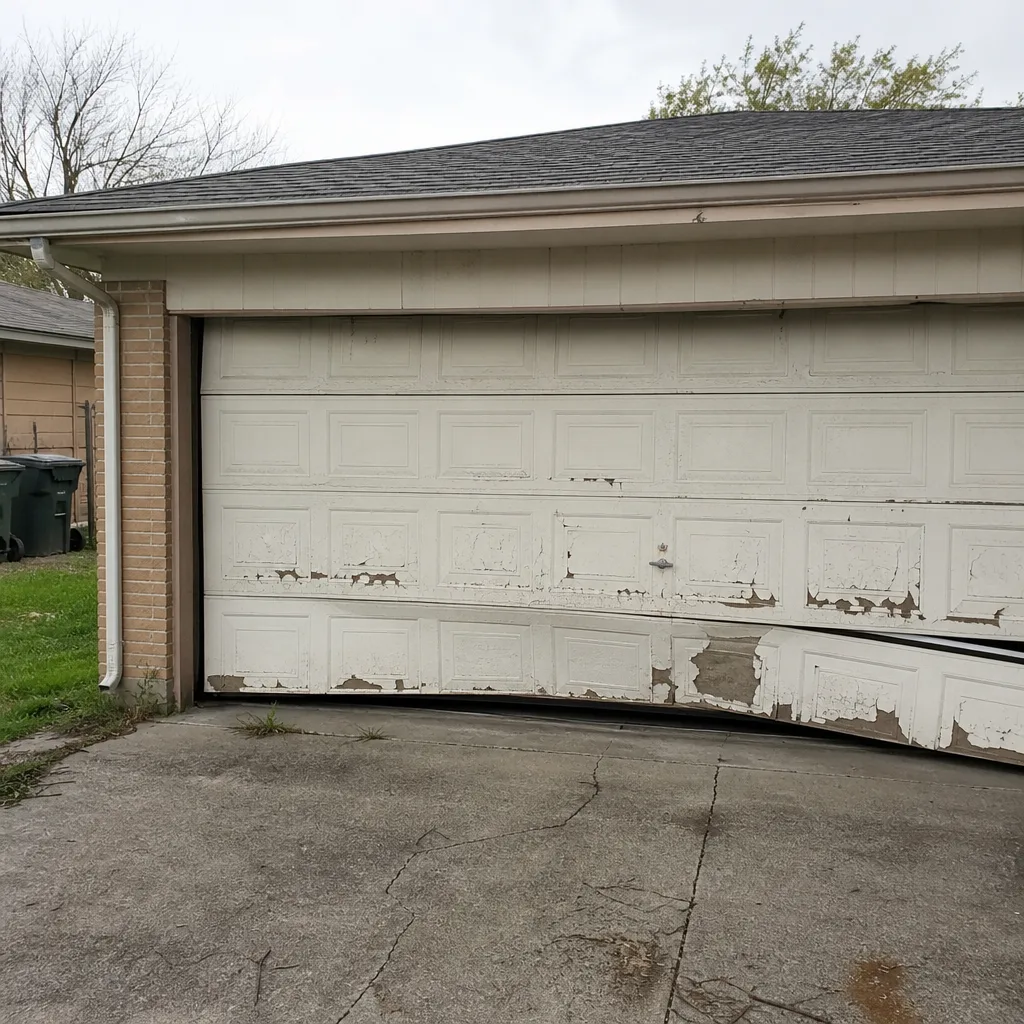 Before
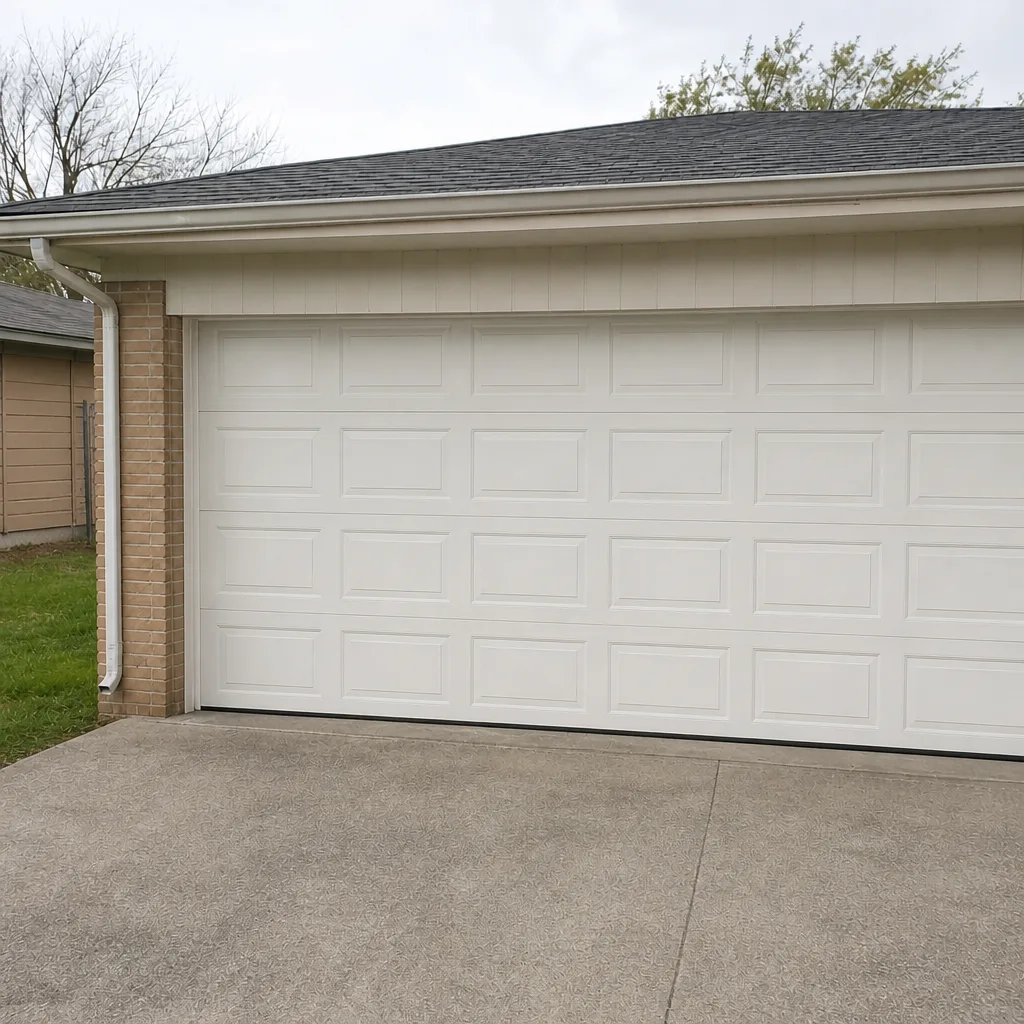 After