
Last updated November 20, 2026
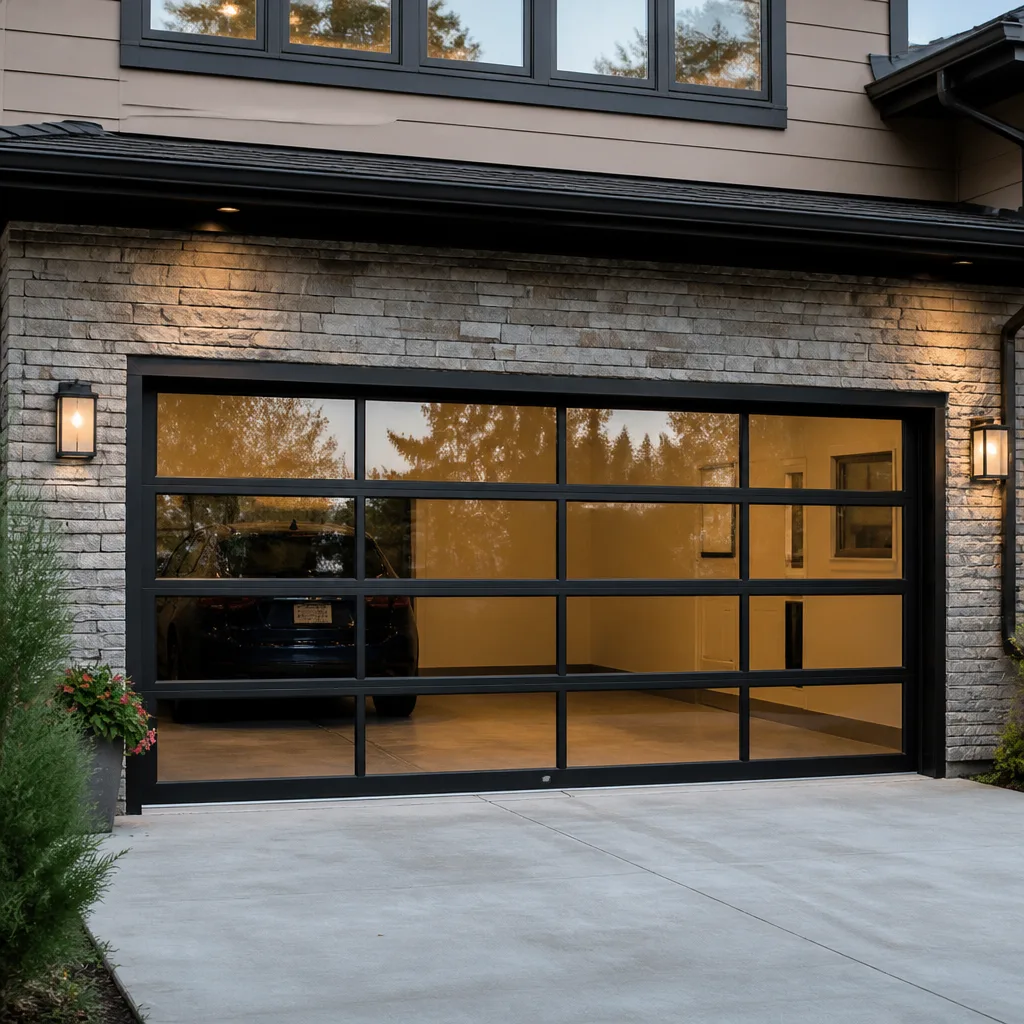 Full-view glass
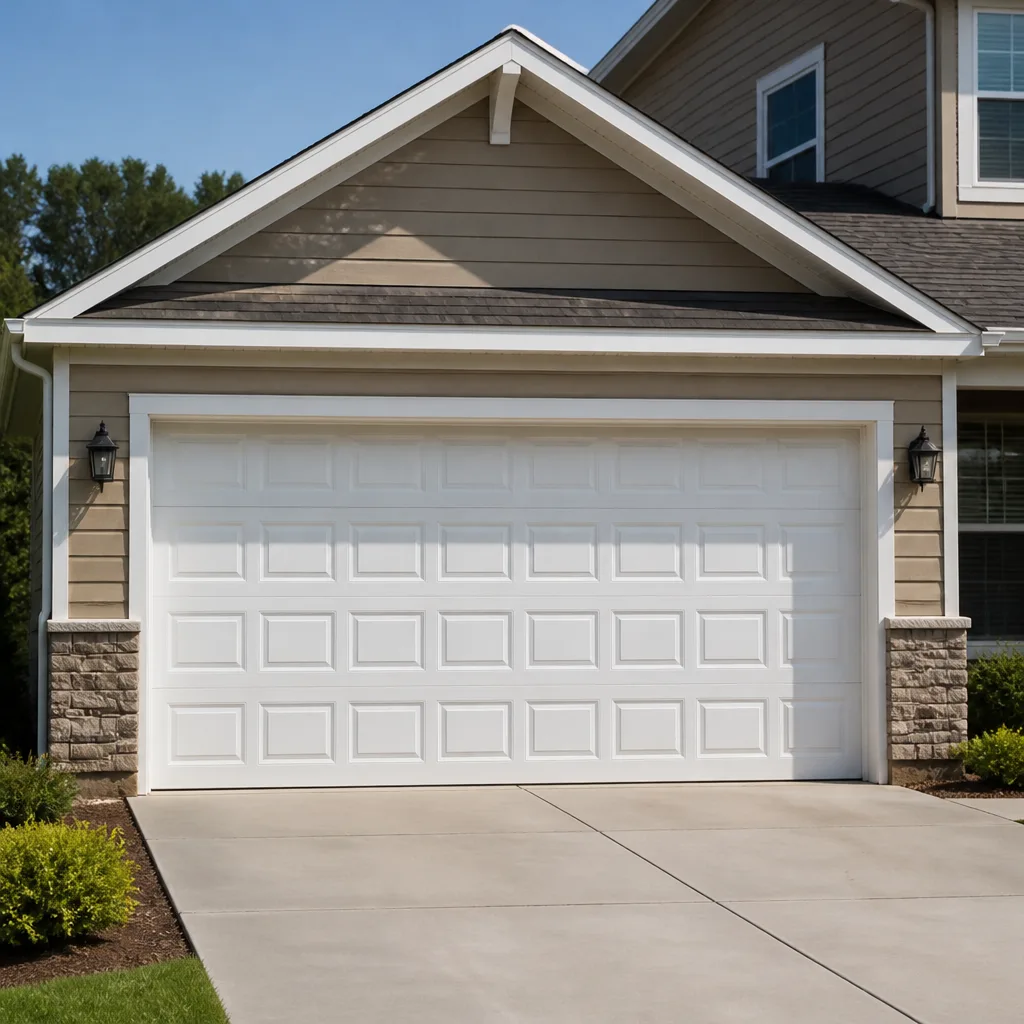 Raised-panel steel
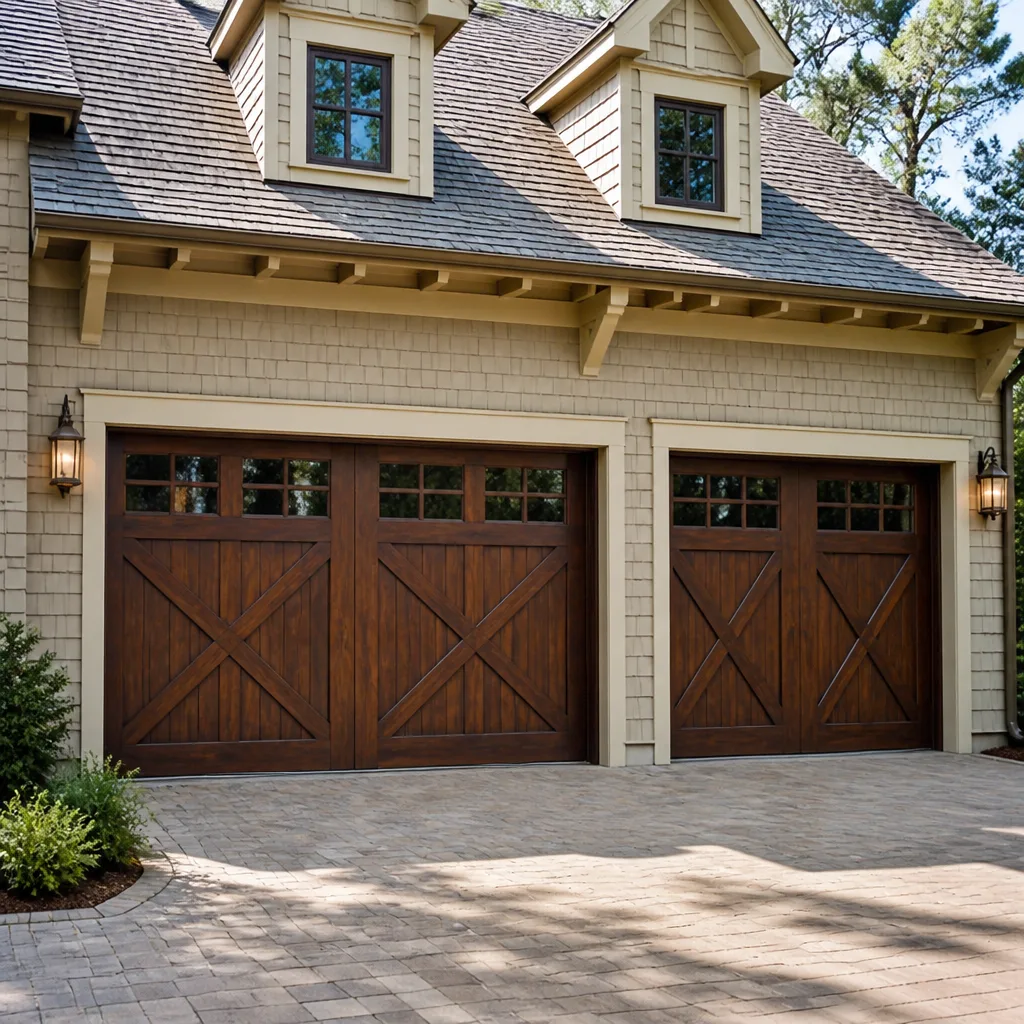 Carriage house
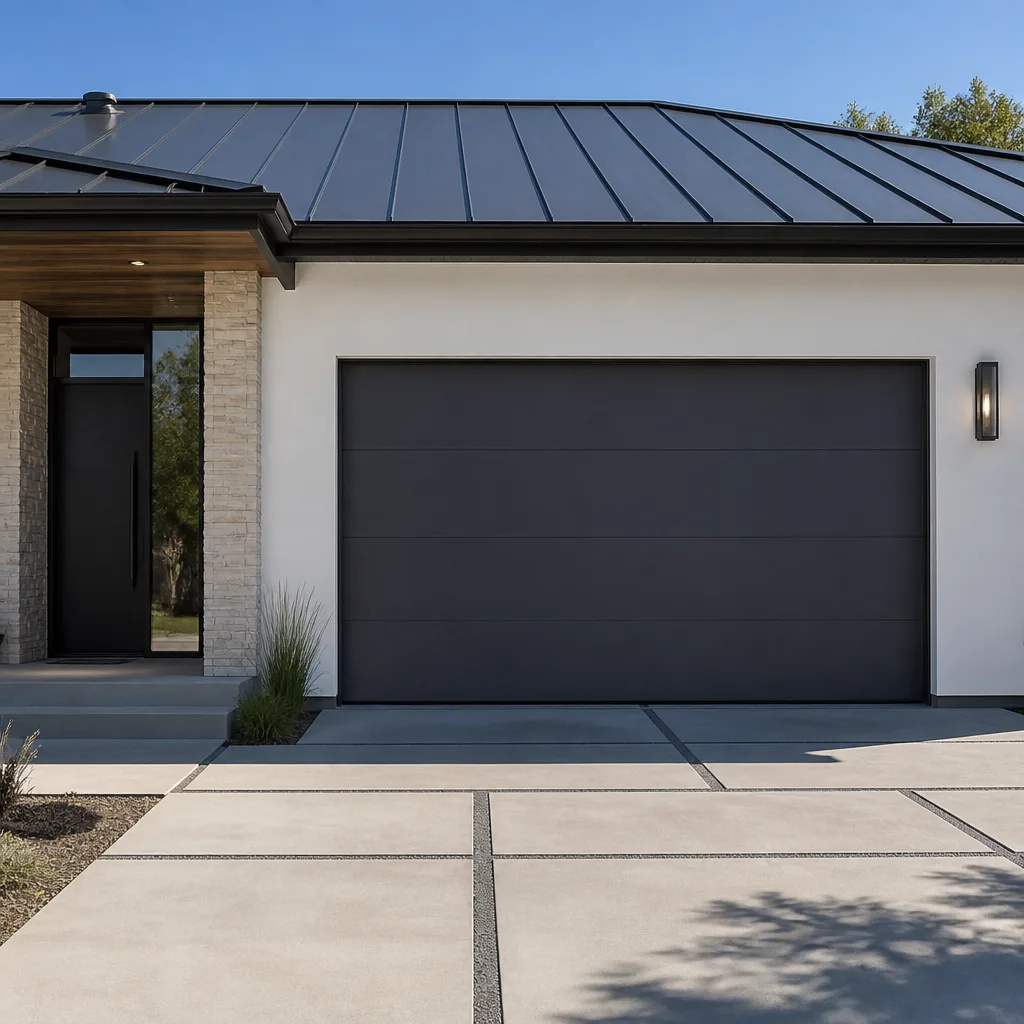 Modern flush
 LiftMaster openers
 Chamberlain openers
Full 25-point door and opener safety check with every visit - springs, cables, rollers, tracks, and your LiftMaster or Chamberlain opener included
You get a price before we start. It does not change when the pro arrives.
Get your free estimateGarage Door Permits, Codes & Inspections in Channelview, TX: What You Need to Know
A garage door swap looks like a simple trade-out: pull the old door, hang the new one, connect the opener, done. But if your installer widened the rough opening, moved a header, or changed how the door anchors to the framing, you may now have a structural modification sitting in your permit history without a permit. That detail stays quiet until you sell, refinance, or file a claim. Here’s what actually triggers a permit in unincorporated Harris County, what the inspection covers, and the questions to ask before anyone touches your door in Channelview.
Quick Answer
In unincorporated Harris County, a straight like-for-like garage door replacement on the existing opening usually does not require a separate building permit, but any change to the rough opening, header, or structural framing does, and new openers with battery backup have their own rules. The door itself must meet the wind-load requirements that apply to the Houston metro area, and the inspection confirms the installation and anchoring, not the cosmetic finish. When in doubt, call the Harris County permitting office and describe the exact scope before work begins.
Styles & brands we work with
- Raised-panel steel
- Carriage house
- Modern flush
- Full-view glass
- LiftMaster openers
- Chamberlain openers
Table of Contents
- What triggers a garage door permit in unincorporated Harris County?
- What’s typically exempt from permitting in Channelview?
- Wind load compliance under the Texas Residential Code
- What a garage door inspection actually covers
- Battery backup openers and the rules around them
- How unpermitted work affects insurance and title transfer
- Questions to ask your contractor before work begins
- Common mistakes to avoid
What triggers a garage door permit in unincorporated Harris County?
A permit is typically triggered when the work changes the structure of the opening, not when it replaces the door on an unchanged opening. That distinction is the whole game, and it’s the part most homeowners never hear explained. The address matters too: Channelview sits mostly in unincorporated Harris County, so City of Houston permitting rules don’t automatically apply, and the county’s rules govern instead. If your property is inside a city limit, the city’s building department is the authority, so confirm which jurisdiction your address falls under before you assume anything.
Here’s the short version of what usually requires a permit:
- Header or framing changes. If the rough opening gets taller or wider, the header above the door has to be evaluated and possibly replaced. That’s structural work and it needs a permit.
- Moving or adding structural anchors. New anchor points into framing that wasn’t designed for them can be a structural change.
- Converting a garage to living space. Changing the use of the garage is a separate permit category entirely, and it often involves the door opening being infilled.
- New electrical circuits for an opener. If an opener needs a new dedicated circuit rather than plugging into an existing outlet, electrical permitting may come into play.
- Battery backup openers. These have specific requirements in some jurisdictions, so check with the county before installation.
What usually does not need a separate permit: removing an old door and installing a new one of the same size in the same opening, using the existing anchoring points, with the existing opener. That’s the majority of replacements we see in Channelview. Even then, the installation still has to meet the wind-load requirements described below, whether or not an inspector looks at it.
What’s typically exempt from permitting in Channelview?
Cosmetic and mechanical work on the existing door assembly is generally exempt from a separate building permit. Replacing panels, rollers, hinges, cables, and springs doesn’t change the structure of the opening, so it doesn’t cross the permitting threshold. Neither does replacing an opener with a like-for-like unit on an existing circuit. Repair work in Channelview – the kind of garage door repair that gets a door moving again after a spring snaps or a panel dents – usually falls in this category.
That doesn’t mean it’s unregulated. The work still has to be done safely, and the safety requirements around the door’s reversing mechanism and the spring system apply regardless of whether a permit is pulled. A door that weighs a couple hundred pounds and runs on springs under extreme tension is not a place for shortcuts, permitted or not.
A practical note: even when a permit isn’t required, a written scope of work is worth having. It documents what was done and when, which matters if you ever sell the house or need to explain a change to an insurer. When we look at a Channelview door, we start by identifying what’s actually there. A Clopay or Amarr door from one decade may anchor very differently from a Wayne Dalton or a legacy Craftsman-era installation, and the exempt-or-not answer often comes down to whether the new door uses the same anchoring scheme as the old one.
Wind load compliance under the Texas Residential Code
Garage doors in the Houston metro area have to meet wind-load requirements that account for the area’s exposure to high-wind events. The Texas Residential Code and the wind provisions it references set the baseline, and the door you buy should carry a wind-load rating appropriate to its size and location on the house. The wide, unreinforced opening of a garage door is one of the weakest points in a residential envelope during high wind, which is why the rating matters more than most homeowners realize. A door rated for a milder wind zone installed on a Channelview home may not meet what the code calls for.
Several things affect the required rating:
- Door size. Wider and taller doors catch more wind and need more reinforcement.
- Exposure category. How open the surrounding terrain is affects the wind load the structure must resist.
- Reinforcement strategy. Struts, heavier gauge sections, and upgraded hardware all contribute to a higher rating.
- Anchoring. The rating assumes the door is anchored into framing that can carry the load. A rating on paper means nothing if the anchors pull out.
This is where the permit question and the code question meet. A like-for-like replacement using the existing framing and anchoring can usually be done with a door that matches or exceeds the original rating. A change to the opening, or a larger door, changes the calculation and typically pushes the job into permit territory. If a contractor tells you the wind rating “doesn’t matter for a replacement,” that’s a red flag. It always matters.
What a garage door inspection actually covers
An inspection for a permitted garage door installation checks the installation and the structural work around it. It is not a quality inspection of the finished product, and it doesn’t grade how the door looks, sounds, or seals. The inspector is confirming that what was built matches what was permitted and that the safety-critical elements are in place.
Here’s the general sequence of what gets checked:
- Permit and approved plans. The inspector confirms the work matches the approved scope and the door’s rating documentation is on file.
- Framing and header. If the header was changed, the inspector looks at the new framing and how it connects to the surrounding structure.
- Anchoring and fasteners. Track brackets, hinges, and springs have to be anchored into framing, not just drywall or sheathing.
- Wind-load rating. The installed door and its reinforcement should match the rated assembly that was specified.
- Safety features. The auto-reverse and photo-eye safety systems are checked on the opener, since these are life-safety devices.
- Electrical connections. If new circuits were part of the scope, the wiring and connections get inspected under the electrical portion of the permit.
What the inspector typically doesn’t check: whether the door is quiet, whether the paint matches, whether the weather seal is snug, or whether the opener was programmed to the homeowner’s remote. Those are installation quality issues. They matter to you, but they won’t show up on the inspection report, which is why choosing an installer who cares about the details is worth more than the inspection pass itself. In our experience, the Channelview jobs that sail through inspection are the ones where the installer documented the door’s rating and used the anchoring the manufacturer specified – the inspection is just confirming what was already done right.
Battery backup openers and the rules around them
Battery backup openers are designed to keep working during a power outage, and they’ve become common on new installations in the Houston area. Whether one requires anything beyond a standard code-compliant installation depends on the jurisdiction and the specific requirements in effect, so the honest answer is to confirm with Harris County before installation. What we can tell you is that a battery backup opener should be installed to the manufacturer’s instructions, and the whole safety system – auto-reverse, photo-eye – has to function on battery as well as on mains power.
From a brand standpoint, the most common setups we work on in Channelview are LiftMaster and Chamberlain openers on the professional side, and Genie and Craftsman units on the consumer side. A LiftMaster battery backup unit is a different animal from a legacy consumer opener, and whether new electrical work is part of the scope affects permitting. If you’re replacing an opener and the existing outlet can serve the new unit, the electrical side is usually unchanged. If the opener needs a dedicated circuit or a relocated outlet, the electrical work may need to be permitted separately from the door. That’s a scope question, and it’s exactly the kind of thing we sort out before ordering anything. For opener-specific work, our garage door opener repair team handles the diagnosis and the swap.
How unpermitted work affects insurance and title transfer in Texas
Unpermitted structural work is a disclosure problem that shows up at the worst possible time: when a buyer’s inspector or the title company asks questions. During a Texas home sale, the seller typically has to disclose known unpermitted work, and the buyer’s lender may require that the work be permitted, inspected, or removed before the loan closes. A garage door opening that was altered without a permit can hold up a closing until it’s resolved, and the resolution usually costs more than the permit would have.
On the insurance side, a claim that involves the garage door is where unpermitted work can complicate things. If you file a claim for wind damage to a door that was installed outside the code requirements, the insurer may question whether the damaged portion was code-compliant to begin with. That doesn’t automatically mean a denial, but it can turn a straightforward claim into a dispute. The safer pattern is straightforward: permit the work that needs a permit, keep the inspection record, and keep the door’s rating documentation with your household papers. Those are the files that answer a buyer’s or an insurer’s questions without drama.
For a homeowner in Channelview, this is one of the better arguments for hiring a specialist. When a garage door is the only thing we work on, questions about rating, anchoring, and permitting are part of the routine, not an afterthought. See how we approach the work at Channelview Garage Door Repair Pros.
Questions to ask your contractor before work begins
Ask these before anyone picks up a tool. The answers tell you whether your contractor actually knows the permitting rules or is guessing.
- “Is the scope of work a like-for-like replacement or a change to the opening?” If the answer is a change, ask who is pulling the permit and when.
- “What wind-load rating does the door you’re installing carry, and how does it match my home’s requirements?” A contractor who can’t produce the rating documentation is not the right contractor.
- “Is your work covered by a permit, and can I see it before work starts?” The permit should be pulled before the door comes down, not after.
- “If the opener needs a new circuit, who handles the electrical permit?” The answer should be clear, not “someone will figure it out.”
- “Will the installation use the existing anchoring, or new framing?” New framing means new permitting.
- “What documentation do I keep when the job is done?” You want the permit, the inspection record, and the door’s rating paperwork.
- “Who is doing the work, and does the person doing it know my brand?” A Clopay door and a Raynor may anchor differently. Specialists tend to get this right the first time.
We don’t claim to be the only contractor in Channelview who can answer these, but we do answer them directly, and the answer to the permit question is always based on the actual scope, not a guess. Our technicians have up to 8 years of experience with exactly this kind of work, and the brand list – LiftMaster, Chamberlain, Genie, Clopay, Amarr, Wayne Dalton, Craftsman, and Raynor – covers most of what’s hanging in Channelview driveways.
Common Mistakes to Avoid
- Assuming every garage door replacement needs a permit. The opposite is closer to the truth. A like-for-like swap on an unchanged opening usually doesn’t, but assuming it doesn’t when the opening was altered gets people into trouble. Ask which scope applies to your job.
- Letting someone change the rough opening without pulling a permit. Widening or heightening the opening is structural work. If your installer is quiet about permitting while changing framing, stop the job and ask.
- Buying the cheapest door without checking the wind-load rating. A door that doesn’t match the area’s requirements isn’t a bargain, it’s a problem stored for later. Ask for the rating documentation before you buy.
- Not keeping the inspection paperwork. When you sell, a buyer’s inspector will ask about the door. The permit and inspection record answer the question in five minutes with a document instead of five days with a phone call.
- Assuming “unincorporated” means “unregulated.” Channelview addresses don’t all sit inside a city limit, but the county rules still apply, and the wind-load provisions don’t care which jurisdiction you’re in.
- Hiring a generalist for a permit-sensitive job. A contractor who mostly does kitchens and bathrooms may not know the garage door permitting rules. A specialist does this every week.
- Treating an inspection pass as the finish line. An inspection doesn’t check whether the door is quiet or the seal is tight. A good installation should pass inspection and also work well for years.
See the difference
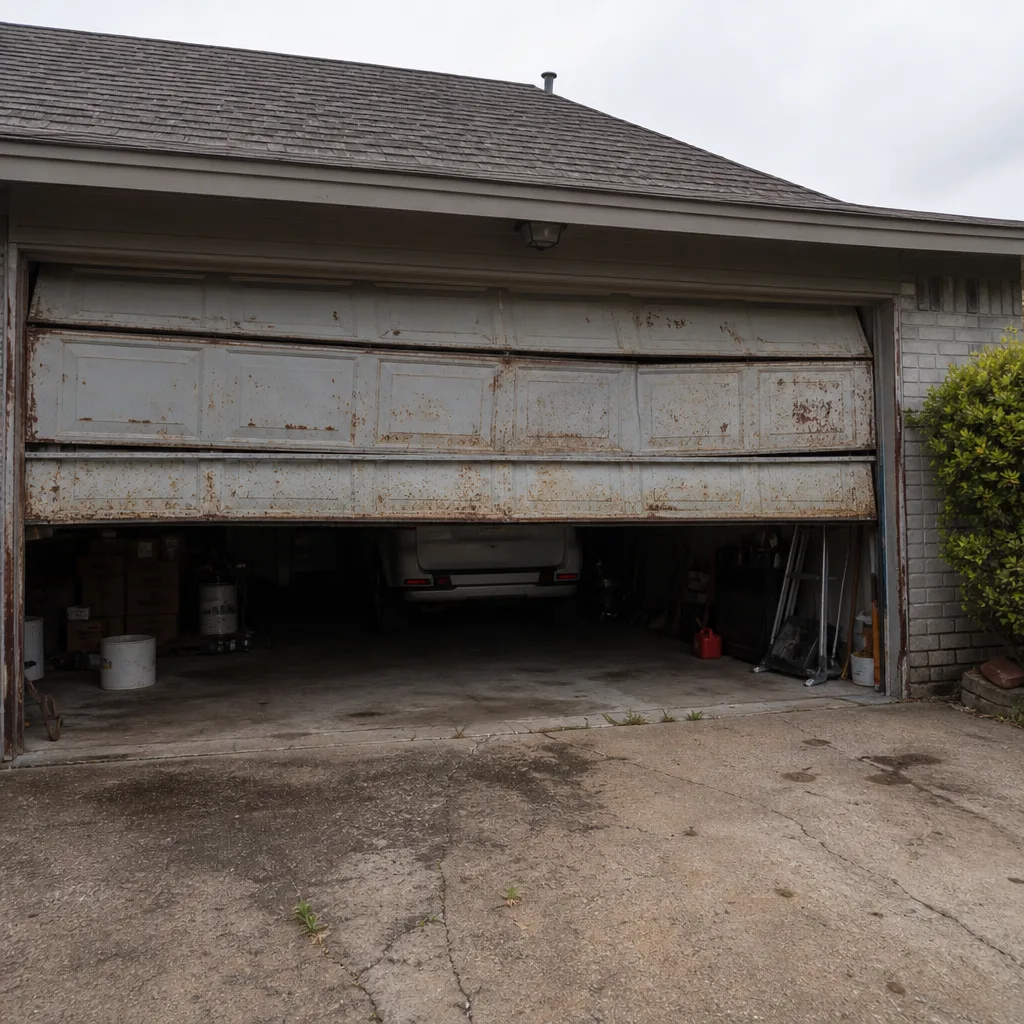 Before
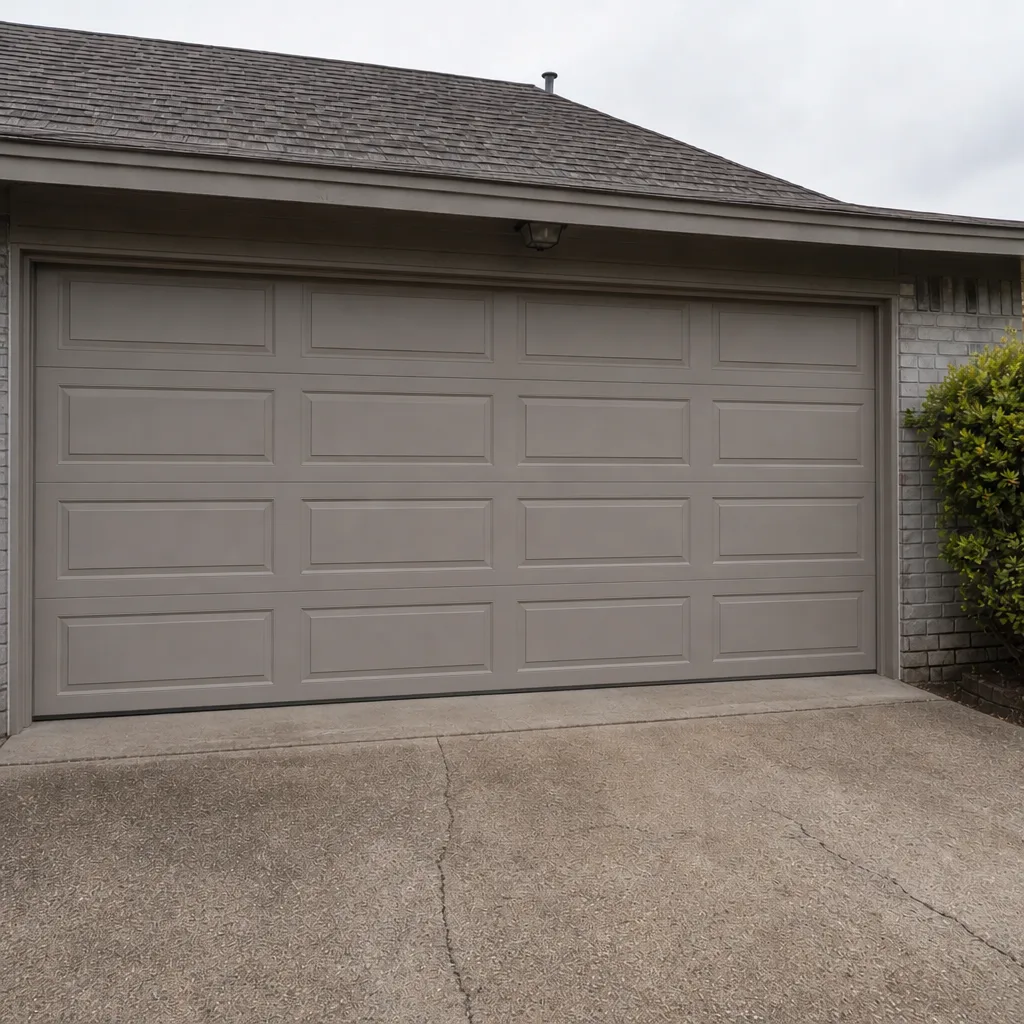 After
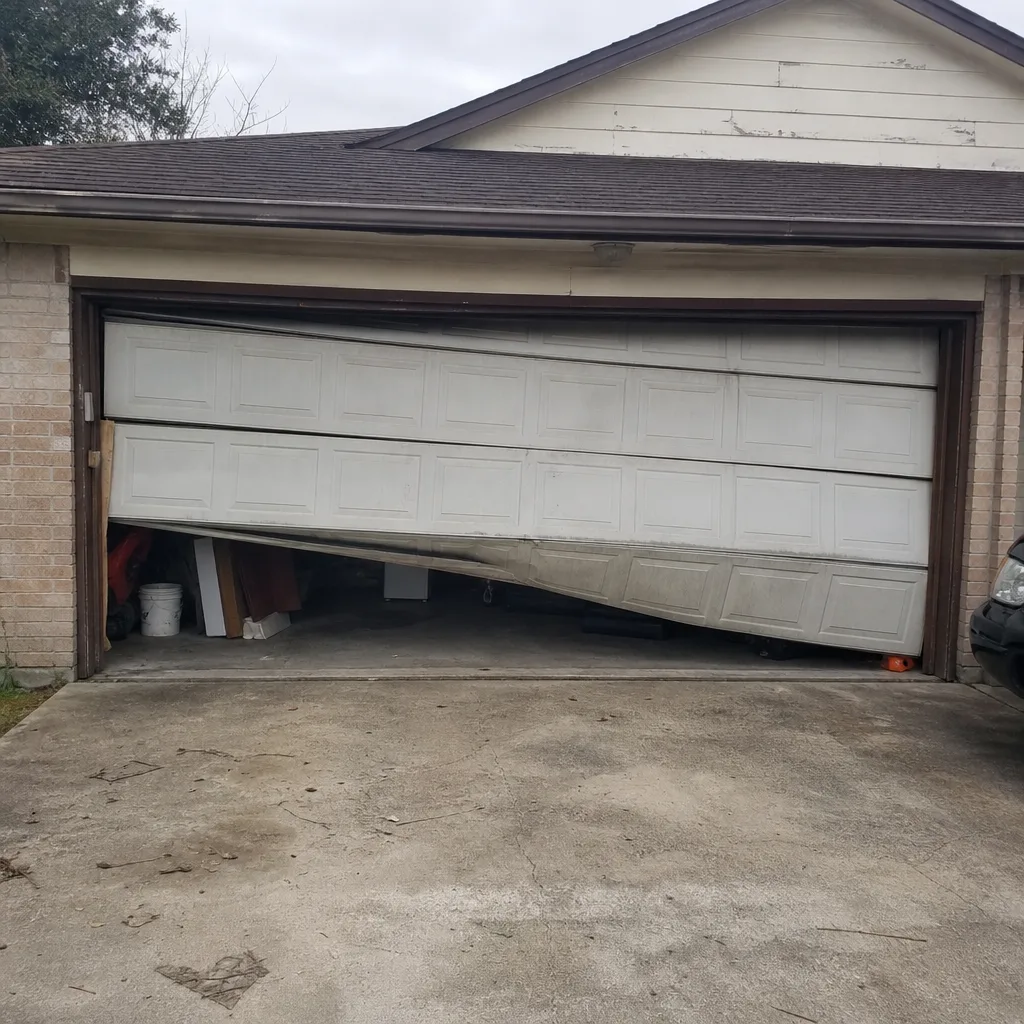 Before
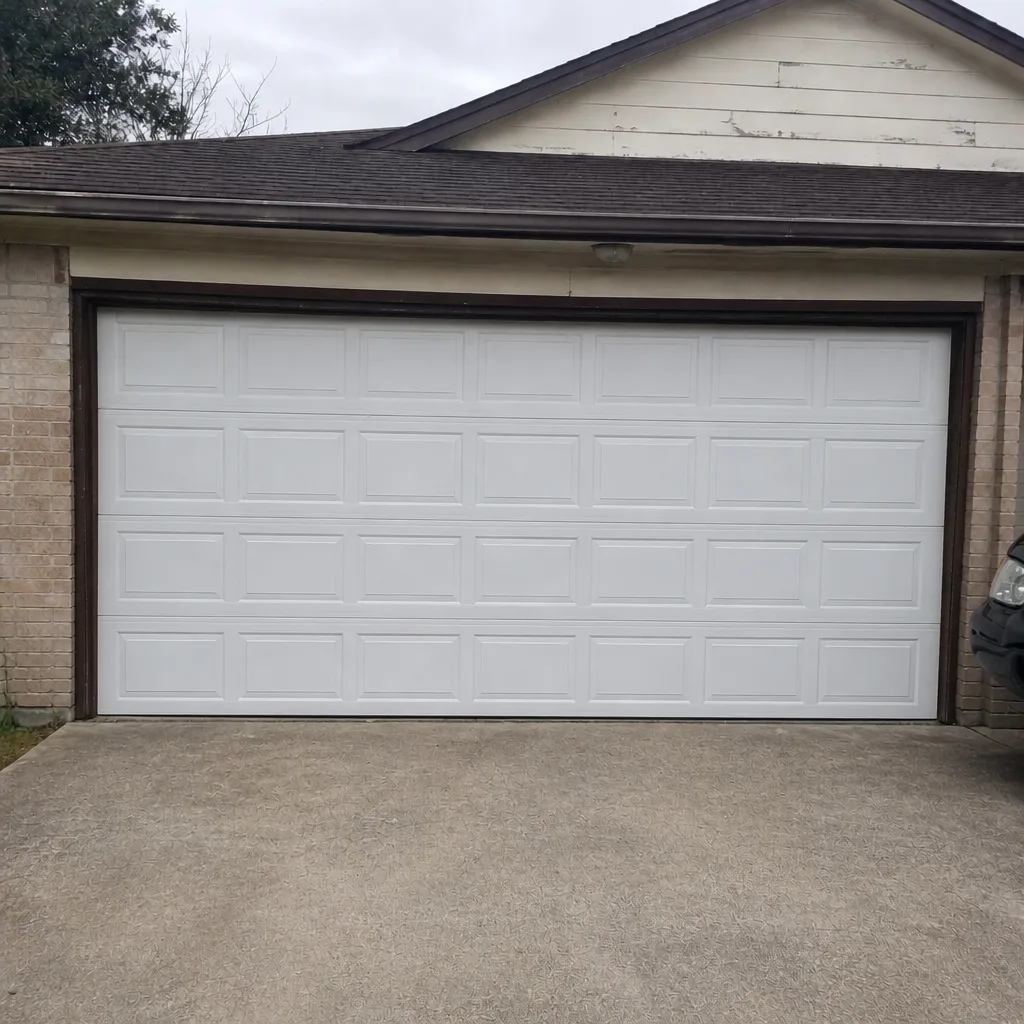 After
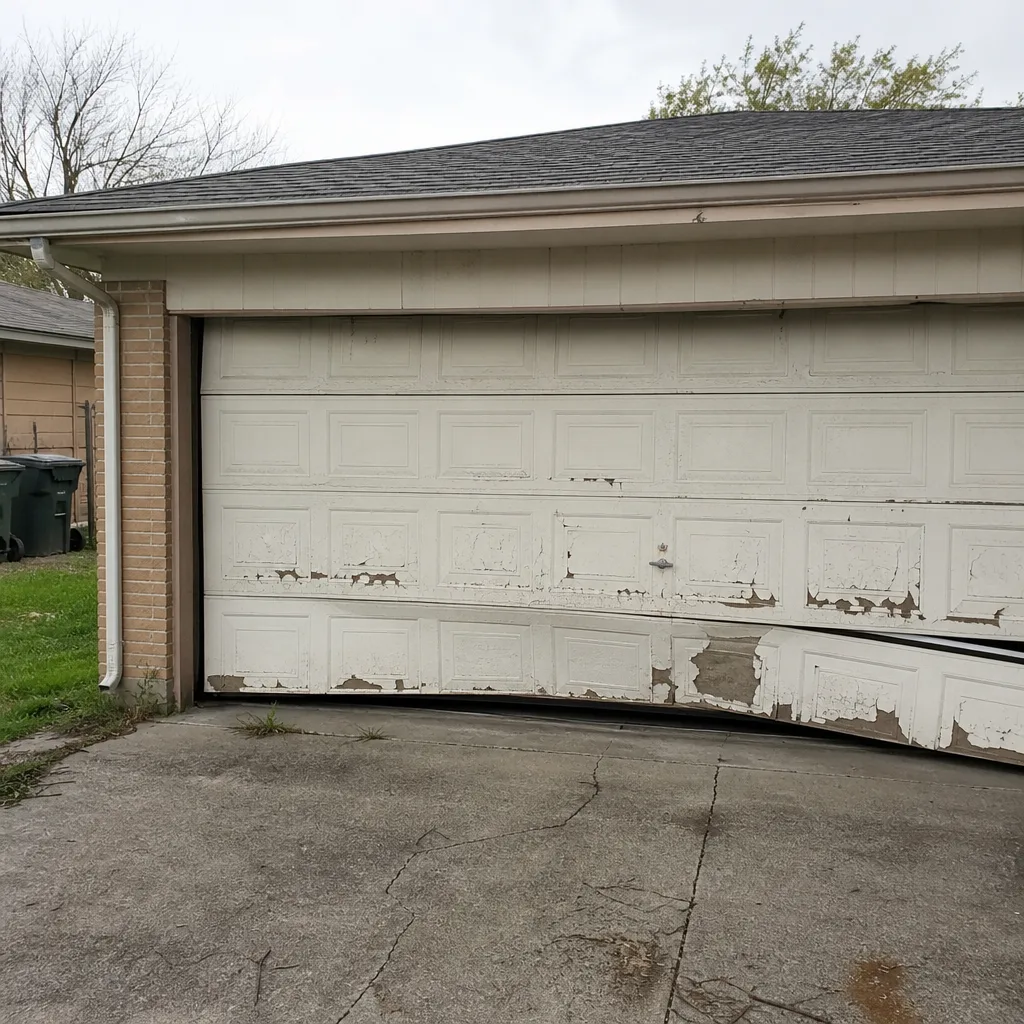 Before
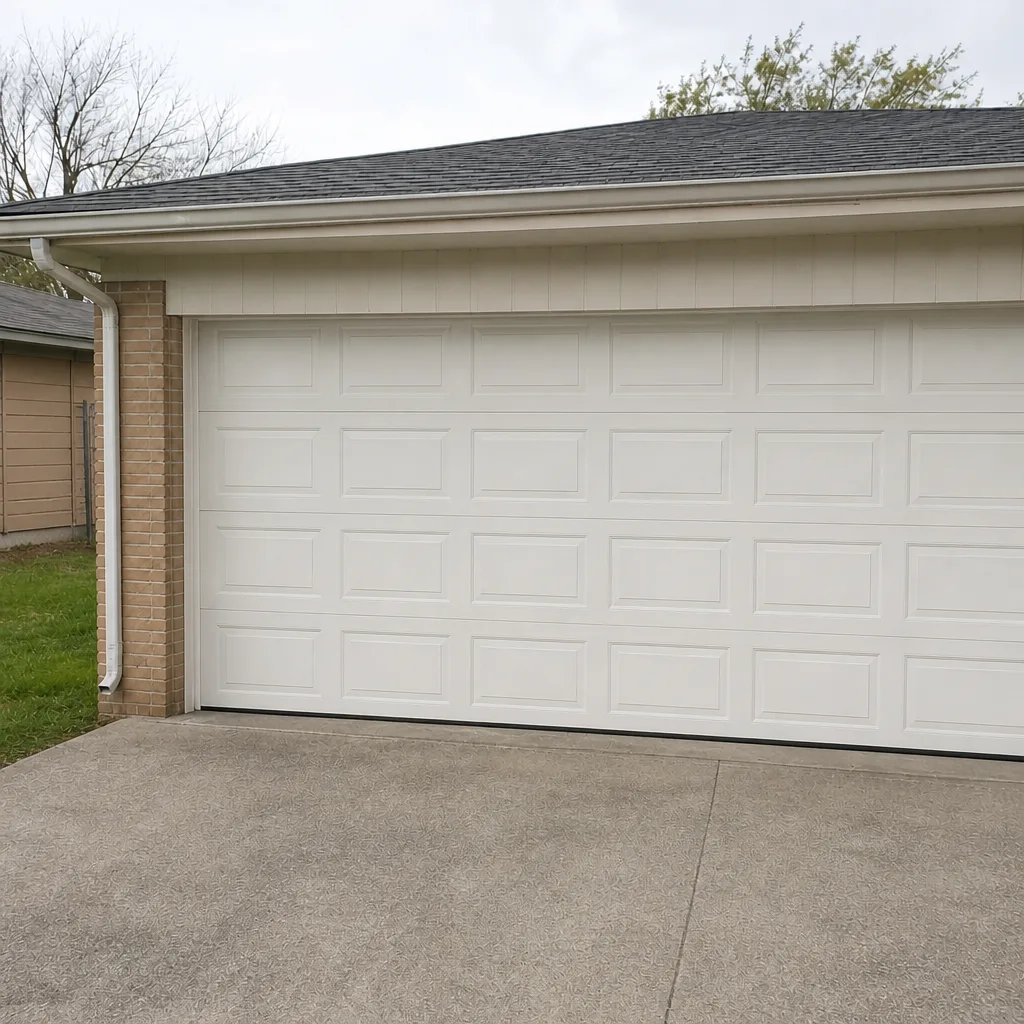 After
When to Call a Professional
Call a professional when the scope question is murky, when a spring has failed or a door is stuck open or off-track, and when you’re replacing a door and need to confirm the wind-load rating and permitting before you buy. Spring work is the highest-risk service on any garage door, since a broken torsion spring is under extreme tension and can cause serious injury. That’s not a job for a weekend DIY attempt – it’s a job for a trained technician with the right tools. If you’re planning a replacement and want to know whether the opening is changing, that’s also a conversation worth having before the door is ordered.
Channelview Garage Door Repair Pros offers free estimates in Channelview. Call (855) 658-4106. We answer 24/7. Fast dispatch from 7am to 7pm, Sunday through Friday. The price is quoted and agreed before any work starts, and the written estimate sets the final price. Our garage door spring repair team is ready for the urgent calls, and our technicians work on Clopay, Amarr, Wayne Dalton, and Craftsman doors along with the rest of the major brands.
Frequently Asked Questions
Usually not, if you’re replacing the door into the same opening using the existing anchoring and framing. You do need a permit if the rough opening, header, or framing changes, or if the electrical scope changes. Channelview is mostly unincorporated Harris County, so the county’s permitting rules apply rather than a city’s. Call (855) 658-4106 for a free estimate and we’ll help you figure out which category your job falls into.
It depends on whether new electrical work is involved. A like-for-like opener swap on an existing outlet usually doesn’t require a permit, but a new dedicated circuit or a relocated outlet may need electrical permitting separately. Battery backup openers have their own requirements in some jurisdictions, so confirm with the county before installation. Call (855) 658-4106 for a free estimate on the opener side.
The inspector confirms that the installed door and framing match the approved permit, that the anchoring is into real framing, that the door’s wind-load rating matches the specification, and that the opener’s safety systems work. The inspector typically doesn’t check how quiet the door is, how well it seals, or whether it looks good. Those are installation quality, and they’re on the installer. Call (855) 658-4106 for a free estimate.
You may have to disclose the unpermitted work, and the buyer’s lender could require it to be permitted, inspected, or removed before closing. The resolution usually costs more than the permit would have. If a claim later involves the door, the insurer may question whether the work was code-compliant. The clean answer is to permit the work that needs it and keep the records. Call (855) 658-4106 for a free estimate.
The Texas Residential Code and the wind provisions it references set the requirements that apply to the Houston metro area, and the door you install should carry the rating appropriate to its size and exposure. A wider or taller door needs more reinforcement to meet the same rating. The installation has to anchor into framing that can carry the load, or the rating on paper doesn’t hold. Call (855) 658-4106 for a free estimate.
Yes. The right first step is a conversation about the actual scope: what’s being replaced, whether the opening is changing, and whether the electrical side is changing. We’ll walk through it with you and point you to the county permitting office with the right questions. Call (855) 658-4106. We answer 24/7. Fast dispatch from 7am to 7pm, Sunday through Friday, and the estimate is free.
The Bottom Line
A garage door replacement in Channelview is usually a straightforward, permit-free swap, but only when the opening and the anchoring stay the same. Change the framing or the header and you’ve moved into structural work that needs a permit, and skipping it can surface at resale or during an insurance claim. The wind-load rating matters on every installation, permitted or not, and the inspection only confirms the structural and safety basics – it doesn’t grade the installation quality. Ask the seven questions above before anyone starts, keep your permit and inspection paperwork, and call a specialist if the scope question is murky.
Ready to get your door back up and running? Call (855) 658-4106 for a free estimate. We answer 24/7. Fast dispatch from 7am to 7pm, Sunday through Friday, and the price is quoted and agreed before any work starts.
Written by the team at Channelview Garage Door Repair Pros.