
Last updated November 20, 2026
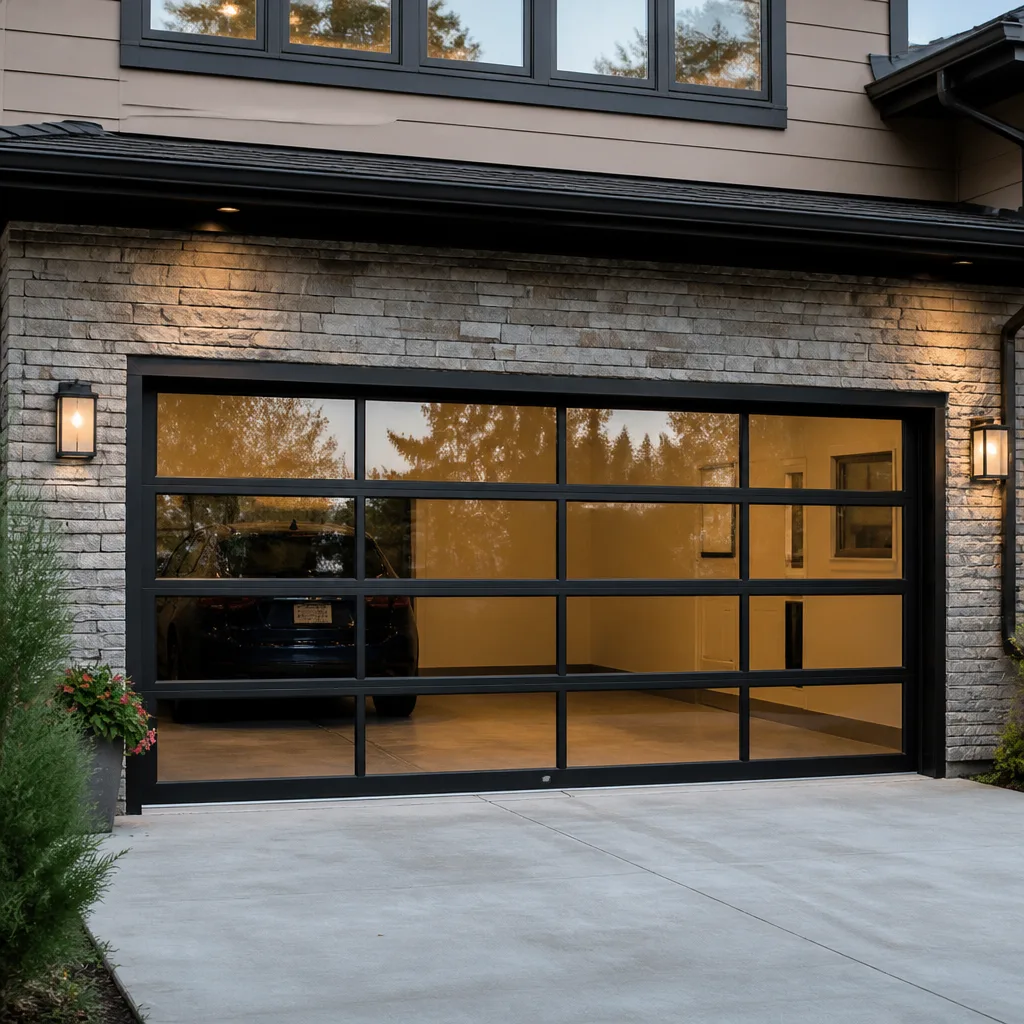 Full-view glass
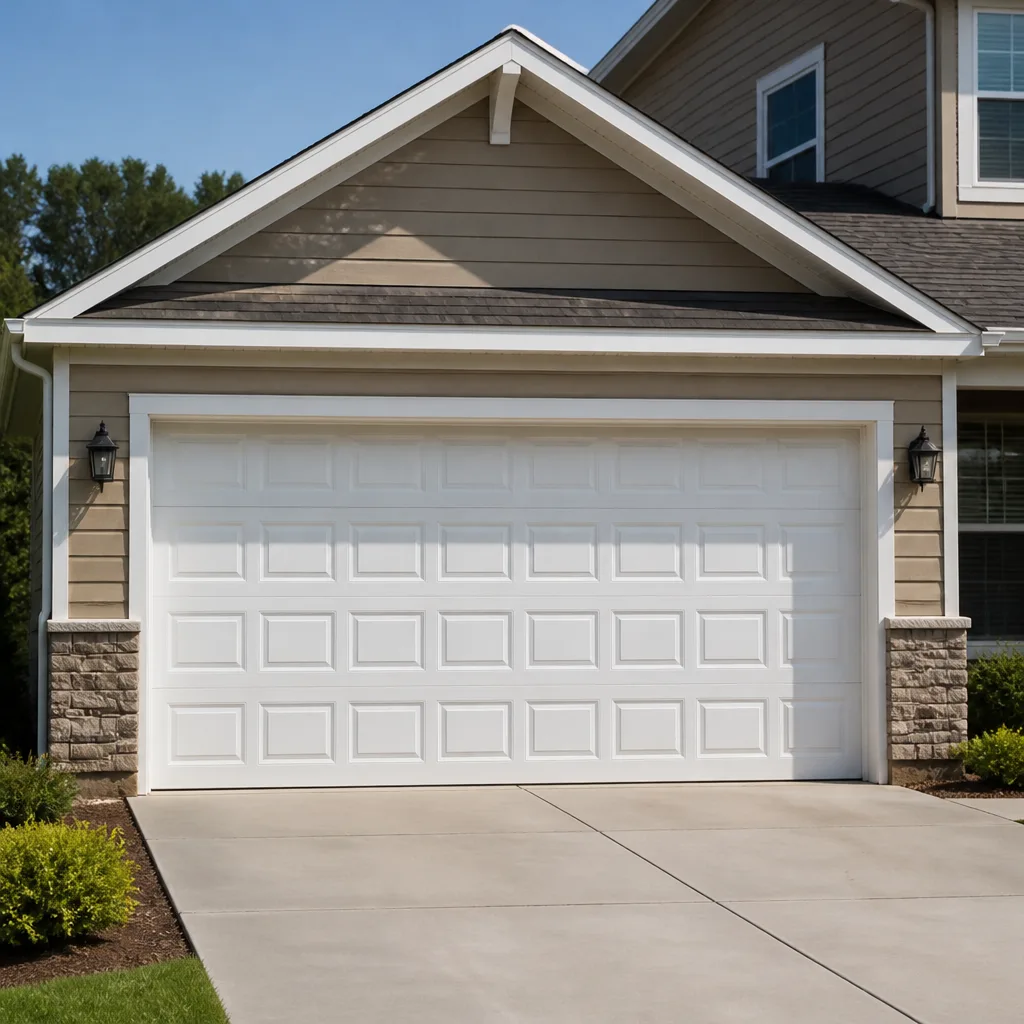 Raised-panel steel
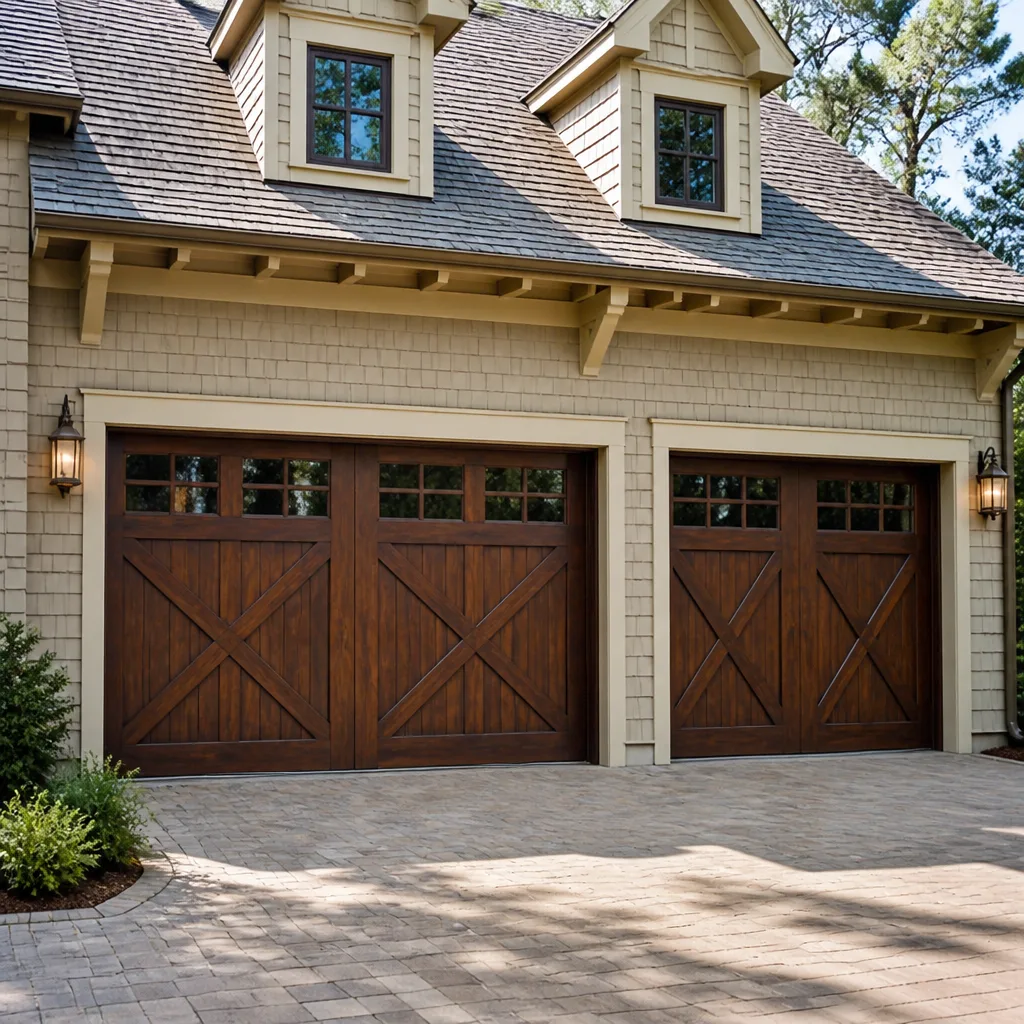 Carriage house
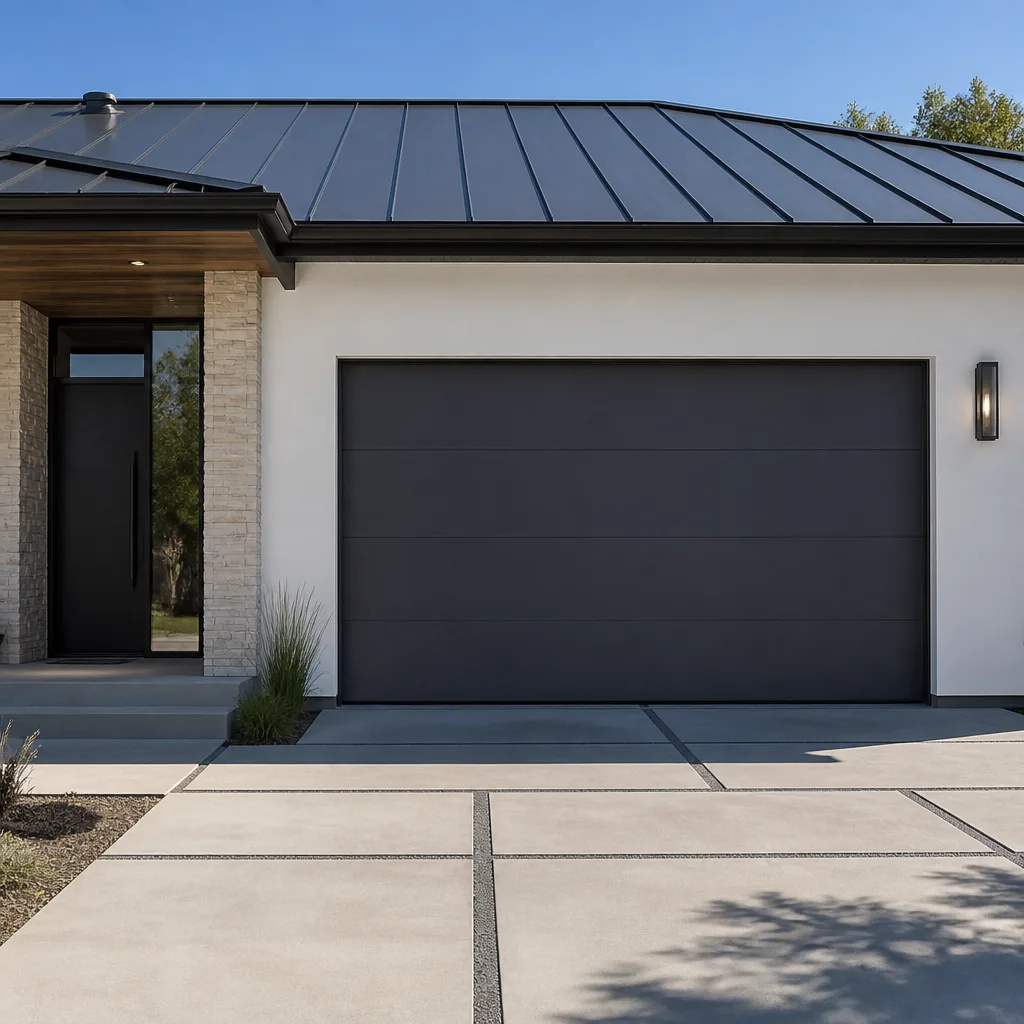 Modern flush
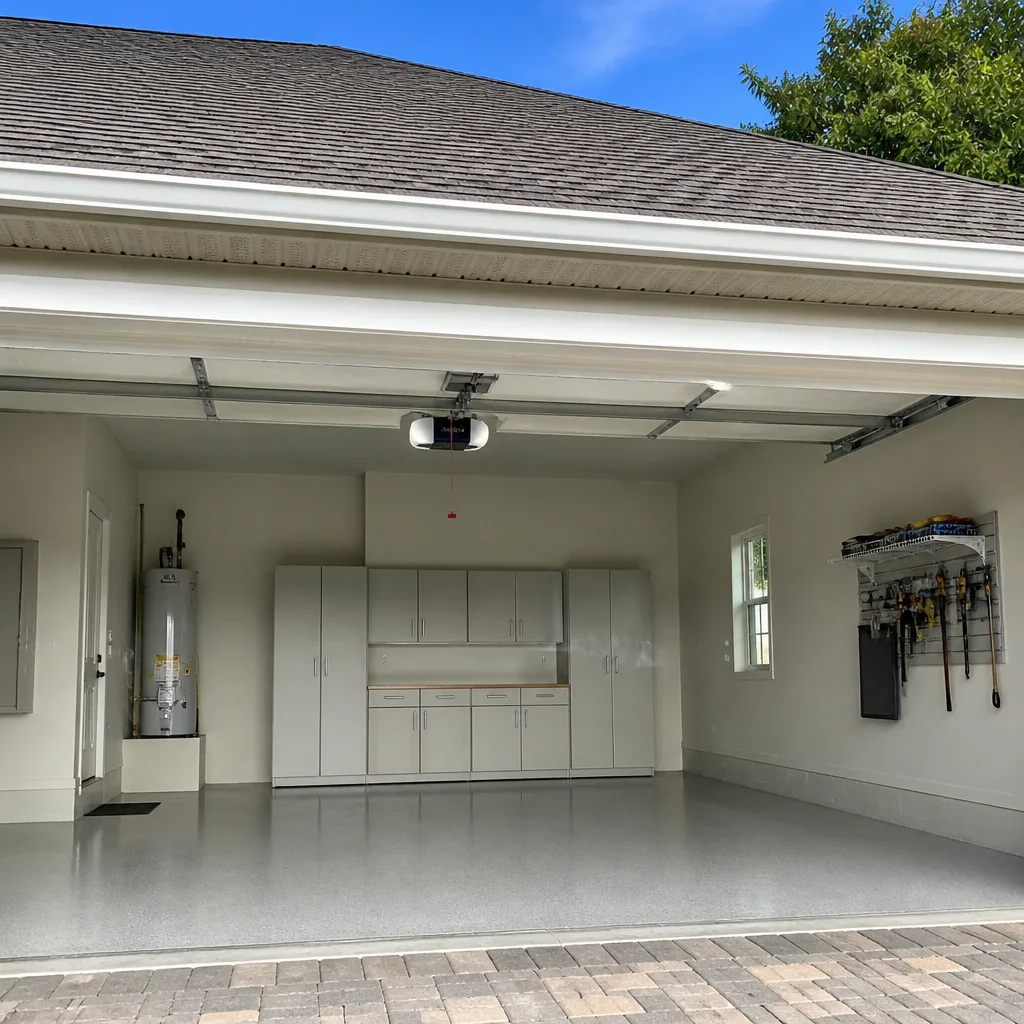 LiftMaster openers
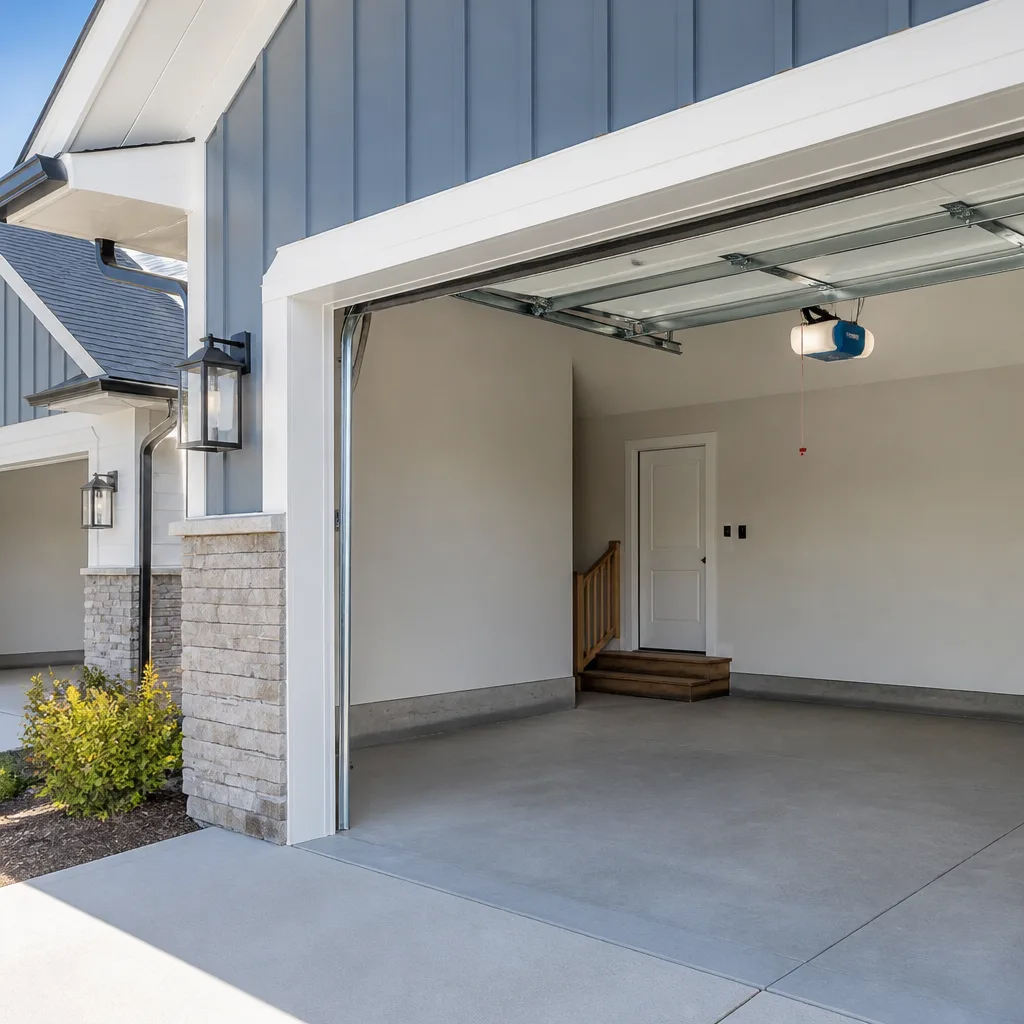 Chamberlain openers
Full 25-point door and opener safety check with every visit - springs, cables, rollers, tracks, and your LiftMaster or Chamberlain opener included
You get a price before we start. It does not change when the pro arrives.
Get your free estimateSeasonal Garage Door Care for Channelview: Year-Round Homeowner’s Guide
Most garage door care guides online were written for someone in Minnesota. They talk about ice in the tracks and snow against the bottom seal. That advice doesn’t apply here. In Channelview, homeowners don’t winterize their garage doors, they hurricane-prep them. The seasonal risk calendar looks nothing like the national version. What actually wears a door down here is a heat, humidity, and storm cycle that runs from the first warm spell in spring through the last cold front in December. This guide walks through what to check in each part of that cycle, what usually goes wrong if you skip it, and how to tell the difference between a door you can adjust and one you need to have looked at. It’s written specifically for Channelview doors, openers, and driveways.
Styles & brands we work with
- Raised-panel steel
- Carriage house
- Modern flush
- Full-view glass
- LiftMaster openers
- Chamberlain openers
Quick Answer
Seasonal garage door care in Channelview is mostly about heat, humidity, and storm prep, not snow and ice. Inspect and reinforce panels and track anchoring before June 1, watch spring balance after summer heat waves, recheck weather seals every few months, and spend your fall on undoing the year’s wear on rollers, cables, and opener electronics. A door that’s checked four times a year, once per season, needs fewer repairs and fails less often at the worst moment.
Table of Contents
- The Channelview Seasonal Risk Calendar
- Pre-Hurricane Checklist: What to Inspect Before June 1
- Summer Heat and Your Torsion Springs
- Humidity, Seals, and the Gulf Coast Slow Leak
- Fall Transition: Undoing a Texas Summer
- Why Channelview Winter Care Is About Moisture, Not Ice
- Brand Notes: What We Look For on Common Doors and Openers
- What You Can Do Yourself and What You Shouldn’t
- Common Mistakes to Avoid
- When to Call a Professional
- Frequently Asked Questions
- The Bottom Line
The Channelview Seasonal Risk Calendar
A garage door is a mechanical system with about a dozen moving or stressed parts. Each one fails at a predictable point in the Channelview year. The calendar here has four distinct phases, and each one stresses a different part of the door.
If you understand the phases, you stop reacting to breakdowns and start preventing them.
- Spring (roughly March to May): the season of expansion. Warm air moves in, metal in the tracks and springs expands slightly, and humidity starts climbing. Panels and track anchors are the weak point because the door is being asked to do its job in conditions that are already harder on the hardware.
- Summer (June to September): the heat phase. Spring tension behaves differently in sustained heat, roller grease thins out, and opener electronics get warm in a space that traps heat against the ceiling. This is when a door that’s slightly out of balance reveals itself.
- Hurricane season overlap (June 1 to November 30): the storm phase. This is the phase that genuinely shapes Channelview garage door care and is why a national guide misses so much. Wind pressure on panels, water intrusion around the seal, and debris that gets into tracks all fall here.
- Fall into winter (October to December): the moisture phase. Cold fronts push through, the humidity swings hard, and the wear the door picked up all summer shows up as sticking, noise, or slow opener response.
The Channelview weeks that surprise people most are the transition weeks. The first strong front after a hot stretch is when a door that’s been quietly sticking for a month becomes a service call. Prepping before that transition is easier than repairing after it.
Pre-Hurricane Checklist: What to Inspect Before June 1
The single highest-value habit for a Channelview homeowner is a pre-hurricane walkaround in May. It takes about thirty minutes and it’s mostly looking and listening rather than fixing. The goal is to find anything the door won’t handle well under wind load or water pressure before those conditions arrive, not during.
Work through this in order:
- Open the door fully and inspect the bottom seal. Any visible gap, tear, or hardening is a water path into the garage. Push the door back down and look at the seal line from inside with the lights off and a flashlight outside the door.
- Check every hinge and roller bracket by eye and hand. Loose fasteners are the most common pre-storm failure. A hinge that moves when you touch it is a hinge that will move under wind load.
- Look at the track anchoring. The wall brackets that hold each vertical track to the frame are what keep the door in its lane. None should move when you push the door gently with your hand at the bottom roller. If any bracket or its fasteners are loose, stop and get it looked at – do not tighten a track anchor without having someone confirm the door isn’t loaded.
- Inspect the panels for dents, bowing, or flex. A bowed panel is a panel that catches wind. Clopay and Amarr steel panels are strong but a dent compromises the panel’s ability to hold its shape under load. Anything visibly bowed should be evaluated before storm season.
- Clear the travel path of stored items, bikes, and hoses. During pre-storm wind events, homeowners usually stack items in the garage. A door that hits a stored object on the way down stops mid-travel and can drop out of the tracks.
- Test the opener’s reversal. With the door on the floor, put a block of wood under it and close the door. It should reverse immediately. If it doesn’t, that’s a safety setting and it needs to be corrected before a storm pushes water or debris into the door’s path.
Do this check once every May and once again in early August. Many storm surges come with a second wind window later in the season, and hardware that passed in May may not be tight in August.
Summer Heat and Your Torsion Springs
Heat doesn’t break springs. Out-of-balance springs that were already near the edge break, and heat is what reveals them. In sustained Channelview summer temperatures, a torsion spring operates slightly outside the calibration environment it was installed in. That’s normal. What isn’t normal is a door that gets noticeably harder to lift by hand, or drops the last foot of travel instead of lowering smoothly, after a heat wave.
The simplest diagnostic a homeowner can run is the manual balance test:
- Pull the opener’s release cord (usually a red handle at the door’s center rail) to disconnect the door from the opener. Do this with the door fully down.
- Lift the door by hand to about waist height.
- Release it.
- A balanced door stays roughly where you left it, or drifts very slowly. A door that drops quickly, or that shoots up from a halfway position, is out of balance.
Stop there. Do not start adjusting the springs. A torsion spring under load stores enough energy to injure a trained person, let alone a homeowner on a stepladder with a winding bar. If your door fails the balance test, that’s a job for someone who does spring work routinely. Our team handles garage door spring repair on the common residential brands found across Channelview, including LiftMaster and Chamberlain opener systems that are usually spec’d alongside them.
You should also recheck after the first cool front. Springs that tested fine at the height of summer can feel slightly different once the door relaxes. That’s normal relaxation, not a failure. The real failures happen when heat-caused wear goes unaddressed through fall and winter.
Humidity, Seals, and the Gulf Coast Slow Leak
Humidity in Channelview doesn’t break a door the way snow does. It does something slower: it works on the bottom seal and the weather stripping around the frame, compressing them year after year while the rubber slowly loses its ability to spring back. Most homeowners don’t notice until rain is running into the garage.
The weather seal wears in two ways, and the fix is different depending on which one is happening to you:
- The seal is compressed but intact. You can usually see the whole seal line with a flashlight at night from inside the garage. If there’s a continuous gap of about a quarter inch or more, the seal can often be adjusted by bringing the door’s travel limits down slightly so the door presses the seal a little more firmly.
- The seal is torn, hardened, or missing a chunk. That’s a replacement, not an adjustment. A hardened seal with cracks will not respond to travel adjustment – it just splits further.
We recommend replacing the bottom seal every few years in this climate, even if it looks fine. Rubber in a Channelview garage spends most of the year between hot, humid air on one side and air-conditioned air on the other. That’s a hard life for the seal, and the price of replacing it is small compared to the water damage a failed seal can allow.
While you’re checking the seal, look at the side and top weather stripping. Any gap lets driving rain in during a storm. Wayne Dalton doors with factory-installed weather stripping are usually fine for several years but the stripping itself is the first thing to go.
Fall Transition: Undoing a Texas Summer
By October, a Channelview garage door has been through a summer of heat, humidity, and storm wind. The fall walk-through isn’t about prepping for cold. It’s about undoing the cumulative effects of the last five months. Here’s what to focus on:
- Rollers. Steel rollers on a warm door with thinned lubricant will start to squeal. Rollers are the cheapest, easiest part to look at and the most common source of a noisy door. If your door sounds like a train when it moves, rollers and hinges are the first suspects.
- Cables. Inspect the cables and drum assembly at each corner visually only. Look for fraying, kinks, or slack cables. A cable that looks frayed or has slack is a serious safety issue. Get off the ladder and call us rather than touching it.
- Opener electronics. Openers like a Chamberlain with a smart hub or a LiftMaster with built-in connectivity need to be tested after the long warm season. Walk through: does the remote open and close the door smoothly? Does the keypad work? Does the safety reversal still trigger? Do the wall control and remote both respond in under a second?
- Track alignment. With the door closed, look straight down each track. A track that bows inward, or has a kink, is a track that needs attention before winter winds stress it further.
- Door panels and hinges. Look for any new dents, especially on lower panels where a bicycle, stroller, or mower usually gets them. Dents are cosmetic until they’re not – a dent that catches the weather stripping causes water intrusion all winter.
Do this check before the first hard cold front, not after. Once the fronts arrive in November and December, everything on the door is doing its job in the weather it was meant to handle, not in an exam setting.
Why Channelview Winter Care Is About Moisture, Not Ice
Some version of this question comes up every year: “What do I need to do for winter?” The honest answer for Channelview is that winter is the mild season for a garage door. You’re not dealing with ice in the tracks. You’re dealing with the same thing you deal with all year – moisture – plus sharp swings in humidity as fronts move through.
What that actually means for your door:
- Wood doors need the most attention. If you have a wood or wood-composite door, look at the bottom edge and any end grain at the panel corners. Water collects there. Unpainted or unsealed wood absorbs moisture in the wetter span between fronts and swells, then shrinks as the air dries out. Repeated swelling and shrinking opens panel seams and eventually softens the wood. Keep the paint or sealant intact and touch up any worn spot before it becomes a water path.
- Steel and composite doors are lower-maintenance but not maintenance-free. A Clopay or Amarr steel panel handles moisture well but the seams and hinges still collect condensation. Look for rust at hinge screws and roller brackets. Small rust spots are worth treating now rather than letting them spread.
- Opener electronics dislike humidity swings more than cold. Condensation inside an opener housing can shorten the life of the circuit board. Dust and cobweb buildup magnifies that. A quick vacuum of the opener housing and the photo-eye lenses at the bottom corners is worth doing once in early winter.
- Lubricate pivot points lightly. A small amount of garage door lubricant on the hinges, rollers, and track is enough. Don’t douse the door. Too much lubricant in a humid climate collects dust and grit that wears rollers faster than no lubricant at all.
The winter risk specific to this area isn’t freezing. It’s a door that sat through summer and fall without a check, then gets used heavily through the mild season when the humidity is highest.
Brand Notes: What We Look For on Common Doors and Openers
Different doors and openers wear in slightly different ways. We work across the most widely installed residential brands in Channelview – LiftMaster, Chamberlain, Genie, Clopay, Amarr, Wayne Dalton, Craftsman, and Raynor – and the seasonal checklist is mostly the same, but a few things are worth flagging.
- Craftsman and Genie openers: these are the most common consumer-installed units we see. They’re generally reliable, but the safety reversal settings and the photo-eye alignment are the parts that drift with heat and vibration. Recheck them at every seasonal walkaround.
- LiftMaster and Chamberlain systems: the electronics are robust, but the connectivity features (smart hub, keypad, myQ-style integration) need retesting after a warm summer. Firmware updates and battery changes solve a surprising number of “the remote doesn’t work” calls before they become service calls.
- Clopay and Amarr doors: the panel construction is strong, but the lower panels take the most damage from bumps, weather seal wear, and storm debris. Look at them first every spring and after every big storm.
- Wayne Dalton doors: a common brand in this area, and a good one. The typical wear points are the weather stripping, the hinges, and the roller brackets at the bottom corners where water collects.
- Raynor doors: usually solid builds, but on older installations the roller brackets are worth checking every fall for the same reason – water collects at the base of the door.
When you call us, tell us the brand of your door and your opener. It saves time. We can look up the likely wear pattern for that system before we arrive, which is the practical version of the difference between a specialist and a generalist.
What You Can Do Yourself and What You Shouldn’t
Some seasonal care is genuinely a homeowner job. Some of it should not be. The dividing line is whether a part stores energy under load or can offset the door’s balance.
Safe for a homeowner with a step stool and a flashlight:
- Visual inspection of panels, hinges, seals, tracks, and cables (look only, no touching the cables)
- Manual balance test with the opener released
- Testing the opener’s safety reversal
- Lubricating hinges and rollers lightly with garage door lubricant
- Clearing the travel path
- Vacuuming the opener housing and cleaning the photo-eye lenses
- Replacing a remote battery
Not a homeowner job, no matter how handy you are:
- Adjusting or replacing torsion springs. A spring stores enough energy to break bones and cause serious injury if it lets go or is wound incorrectly. This is one of the most dangerous jobs in home repair. Do not touch it.
- Adjusting cables or drums. These are under load and are the second most dangerous part of the door after the springs.
- Re-anchoring track brackets or moving rollers. If a track anchor is loose, the door may already be under uneven load. Tightening a bolt can cause a failure you don’t see coming.
- Programming or diagnosing a LiftMaster or Chamberlain control board. Some settings are safe to reset. Some aren’t. When in doubt, get an expert on the line.
When a professional handles it, the work is straightforward. Fast dispatch from 7am to 7pm, Sunday through Friday. Call (855) 658-4106. We answer 24/7.
Common Mistakes to Avoid
- Treating the door like it doesn’t have a seasonal cycle. A national guide tells you to “check the door each spring.” That’s fine, but it misses most of what happens in Channelview. Check it four times a year – one check per season – because each one is doing a different job.
- Leaving a summer summer-weakened spring unaddressed into fall. Springs that fail the manual balance test in July won’t fix themselves by October. Get them looked at before the fall weather turns the door into a reliability problem.
- Skipping the pre-hurricane panel and track inspection. The month before storm season is the cheapest time to address a bowed panel or loose anchor. During storm prep is the most expensive.
- Tightening a track anchor by hand without knowing the door’s balance. A loose anchor can be a warning sign, not the actual problem. Moving the track against a loaded door can cause the door to come off the rollers.
- Assuming a hardened weather seal can be adjusted. Adjustment works on a seal that’s compressed but intact. A hardened seal with cracks is a replacement, and trying to adjust it just splits it further.
- Over-lubricating in a humid climate. Too much lubricant in Channelview summer collects dust and grit, which wears rollers faster than no lubrication would. Small amounts, applied sparingly, are the right approach.
- Ignoring a slow opener response. A Craftsman, Genie, Chamberlain, or LiftMaster opener that used to respond in under a second and now takes a full second or hesitates is telling you something – usually the safety sensors, the battery, or a control-board adjustment. Address it during a seasonal check instead of waiting for a full failure.
When to Call a Professional
Call us when any of the following apply:
- The door fails the manual balance test (drops quickly, or shoots up from halfway)
- You can see a frayed, slack, or kinked cable at either corner
- The door has come out of the tracks, or is crooked when fully closed
- The opener won’t reverse when blocked or the safety response is doubtful
- The door is louder, slower, or more reluctant than it was last season
- A spring is visibly broken, kinked, or the door won’t stay up when you release it
- A storm has left visible panel or track damage
For anything on that list, the diagnosis is quick and the estimate is free. Channelview Garage Door Repair Pros offers free estimates in Channelview. Call (855) 658-4106 for yours. We answer 24/7, and our technicians can usually be dispatched 7am-7pm, Sunday through Friday, with same-day appointments when the schedule allows.
If you’d rather talk through your door on the phone first, we can usually tell you whether it’s a repair call, a spring visit, or a garage door opener repair before we book. That’s what being garage-door-only gets you: we’ve seen the pattern before.
Frequently Asked Questions
Four checks a year is the right baseline: a pre-hurricane panels-and-track inspection before June 1, a summer spring-balance check after heat waves, a fall walkaround to undo summer wear on rollers and opener electronics, and a winter moisture check on the seals, hinges, and wood panels. Each check is short. Together they cover the parts of the door that fail in this climate.
Yes, in two specific ways. Wind pressure loads the panels and track anchors, and driving rain during a storm puts water against the bottom seal and side weather stripping. A door that passed a look-over in February may have loose hinges or a compromised seal by the time storms arrive in June. The pre-June-1 check exists specifically to find those issues before the door is under stress.
You can run the manual balance test safely with the door released from the opener and lifted by hand. That test – lift, release, watch what the door does – tells you whether the springs are still in balance for the season. What you cannot do is adjust or replace the springs safely. That’s a trained-professional job, and we handle garage door spring repair as a routine service line.
If the seal is intact and the gap is small, adjusting the door’s closed-travel limit can press the door against the seal more firmly. If the seal is torn, hardened, or missing pieces, it’s a replacement. We recommend a replacement every few years in this climate regardless of appearance, because Channelview’s hot, humid air-cushioned garages are hard on rubber seals.
Opener electronics and safety sensors respond to temperature and humidity. A summer of warm operation can expose a weak battery in the remote, a slightly misaligned photo-eye, or a control-board setting that needs adjusting. A fall walkaround that includes retesting the reversal and clearing the safety sensors solves most of what homeowners assume is a failing unit.
Yes, when the schedule allows. Call (855) 658-4106. We answer 24/7, and our technicians are dispatched 7am-7pm, Sunday through Friday. If you catch the problem during a walkaround, that’s the easiest kind of repair – early, before it becomes urgent.
The Bottom Line
Channelview isn’t a snow climate, but it isn’t a mild one either. The garage door here goes through a heat, humidity, and storm cycle every year, and each season stresses a different part of the system. Run a walkaround once per season: before June 1 for storm prep, after the summer heat for the spring balance test, in fall for rollers and electronics, and in winter for seals and wood panels. Skip the parts that require touching a spring, a cable, or a track anchor – those are the jobs where a professional earns the estimate. And when something looks or sounds wrong, get it looked at early. Call (855) 658-4106 for a free estimate. We answer 24/7, with fast dispatch from 7am to 7pm, Sunday through Friday. Channelview Garage Door Repair Pros works on your door, your opener, and your springs – and only those. See our garage door repair page for the full repair overview, or start with Channelview Garage Door Repair Pros if you want the whole picture.
Written by the team at Channelview Garage Door Repair Pros.
See the difference
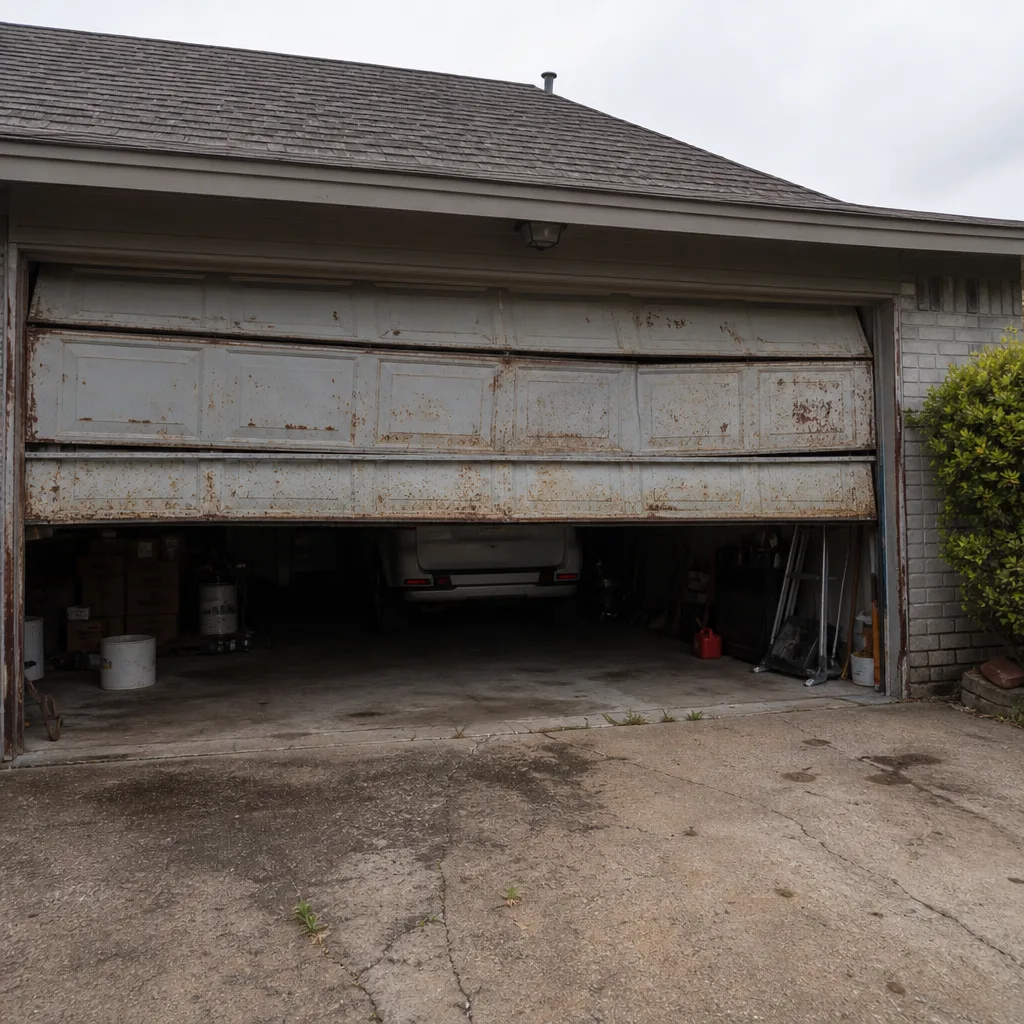 Before
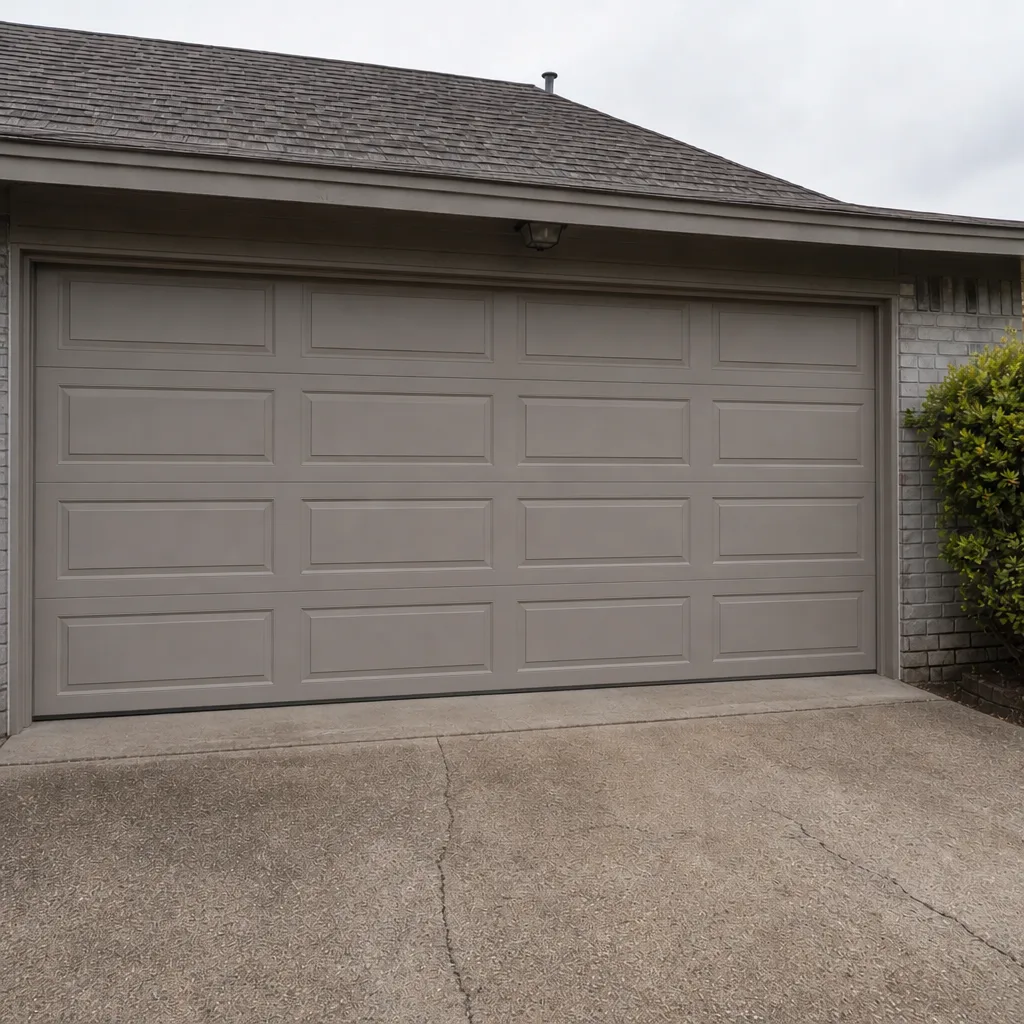 After
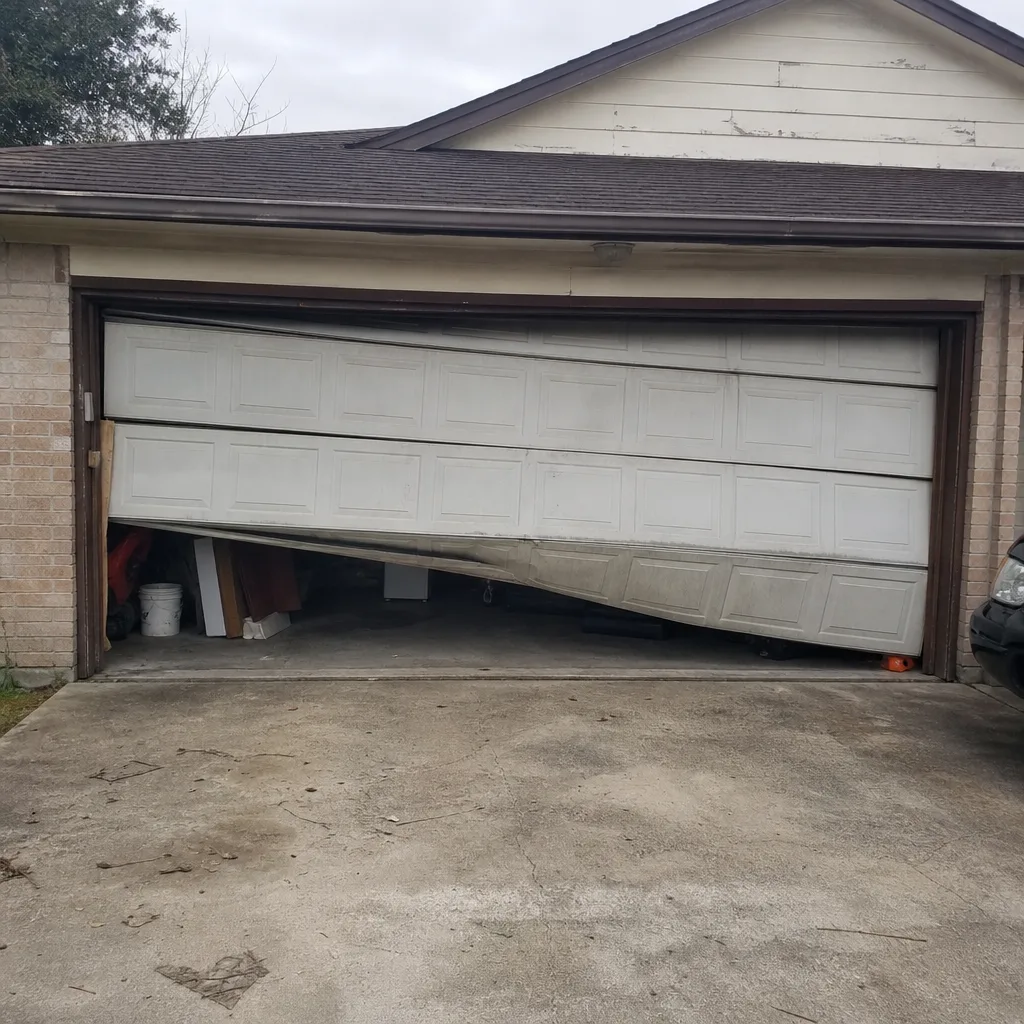 Before
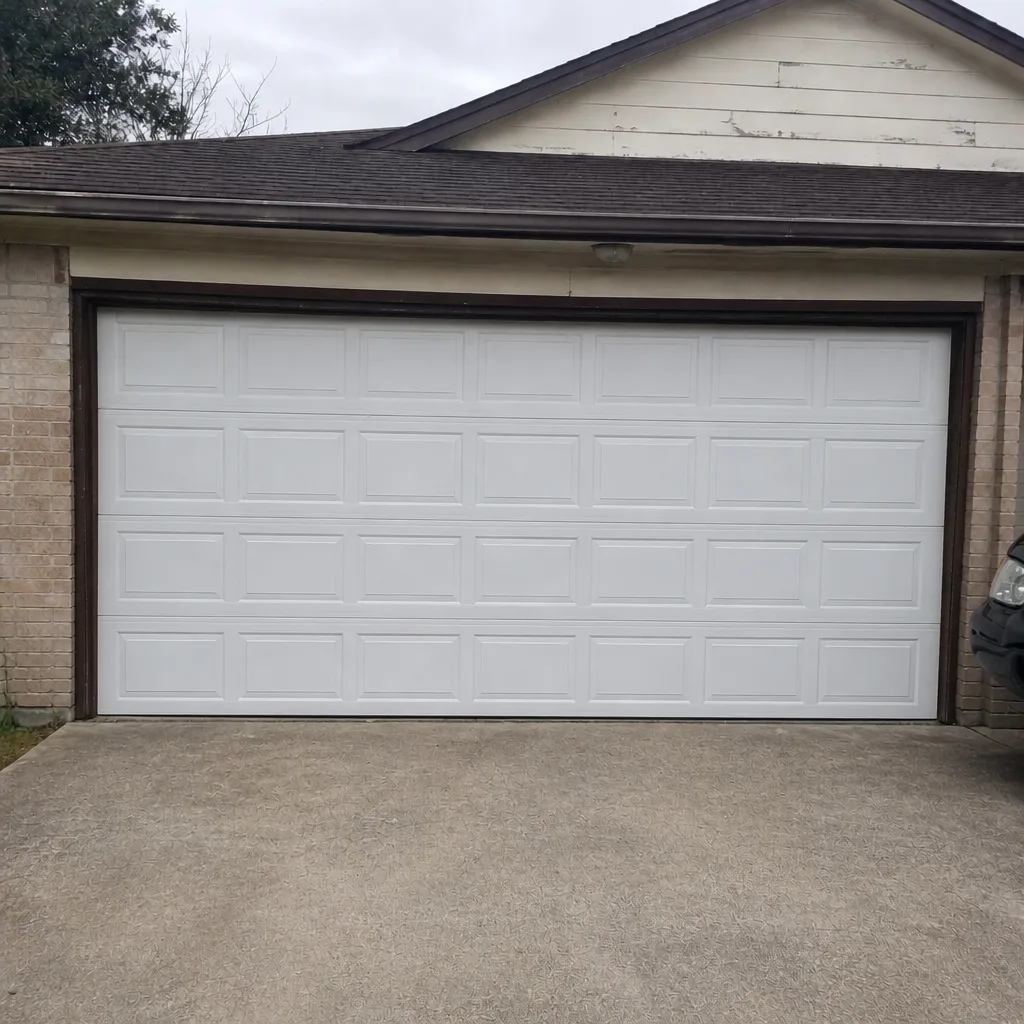 After
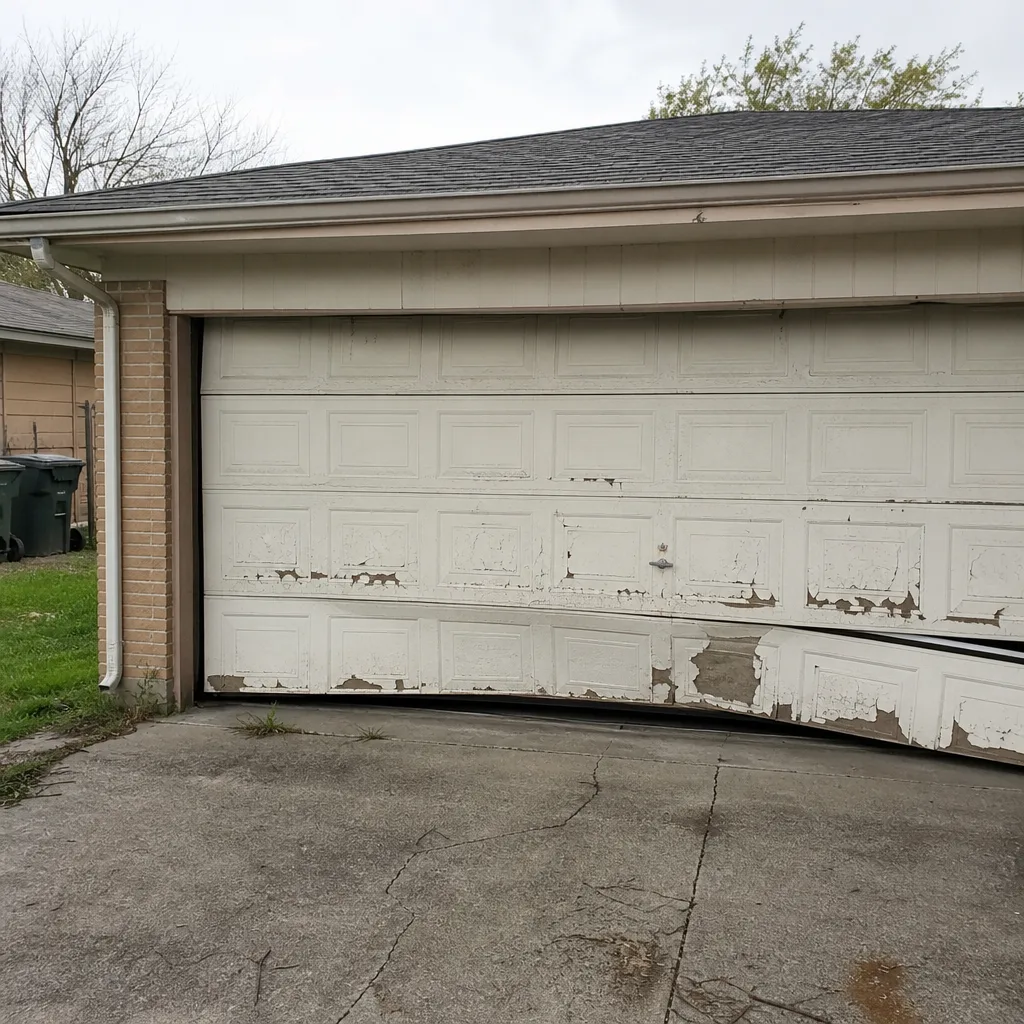 Before
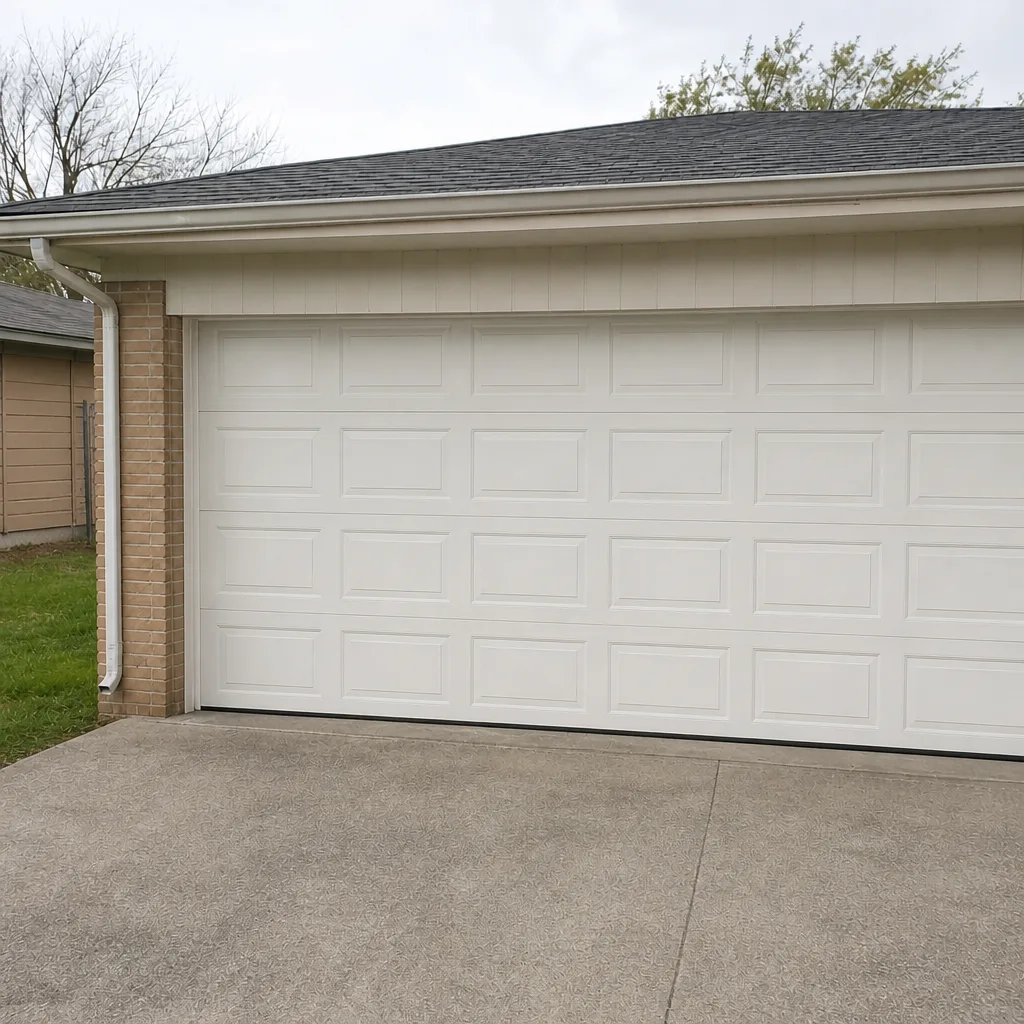 After