
Last updated November 20, 2026
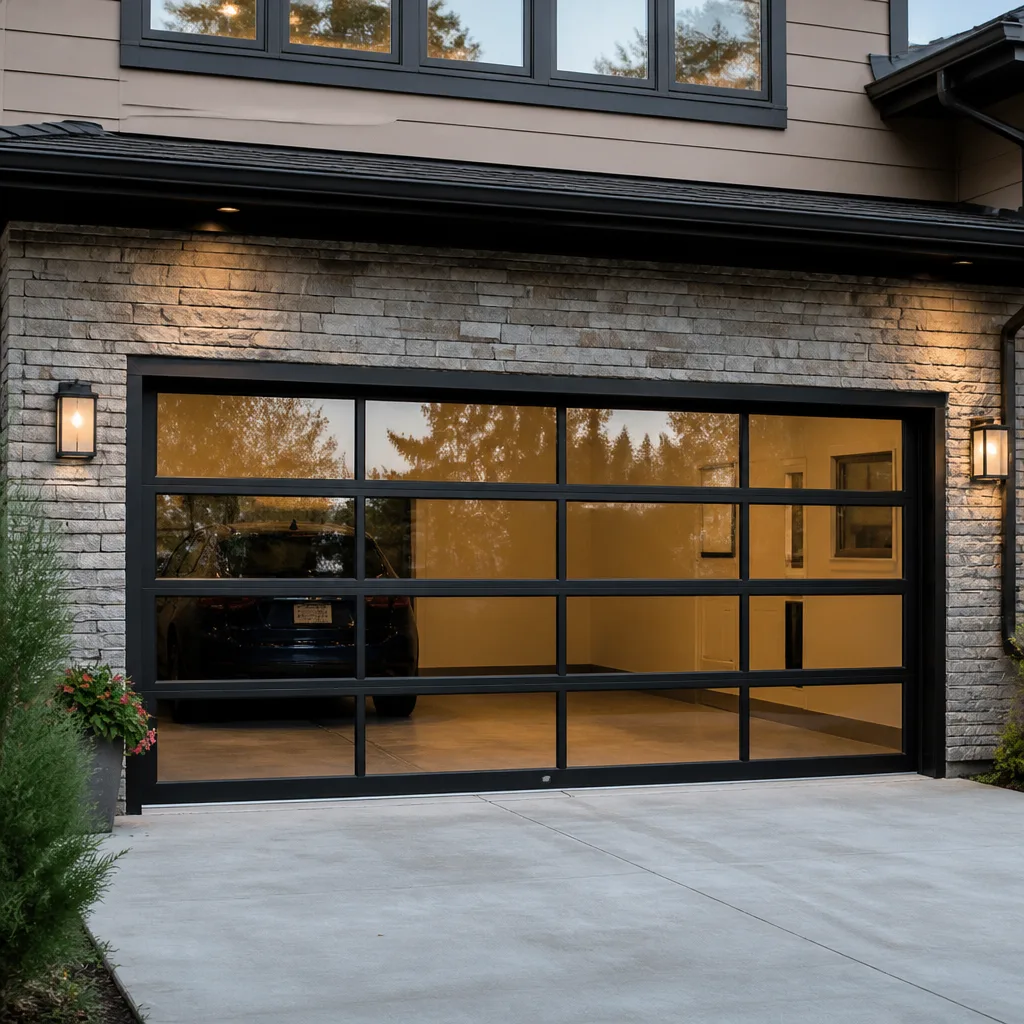 Full-view glass
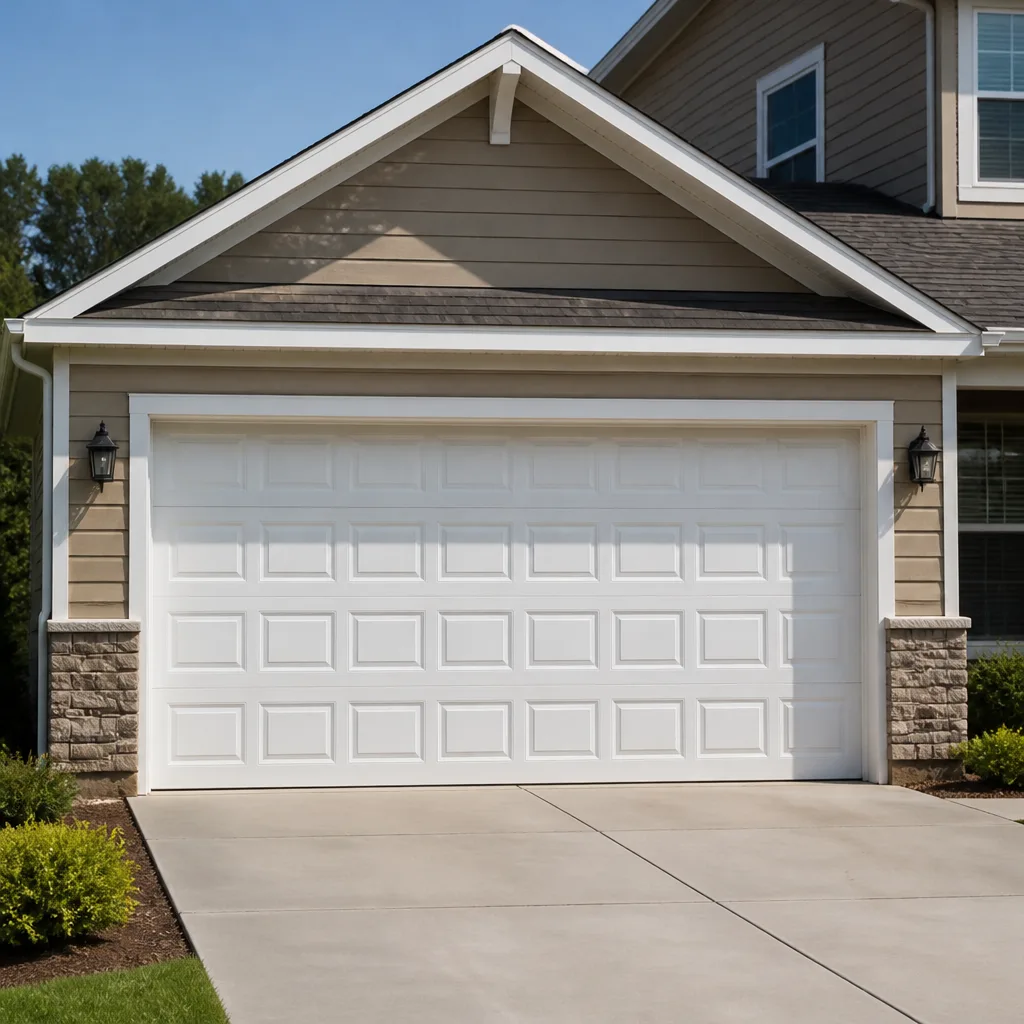 Raised-panel steel
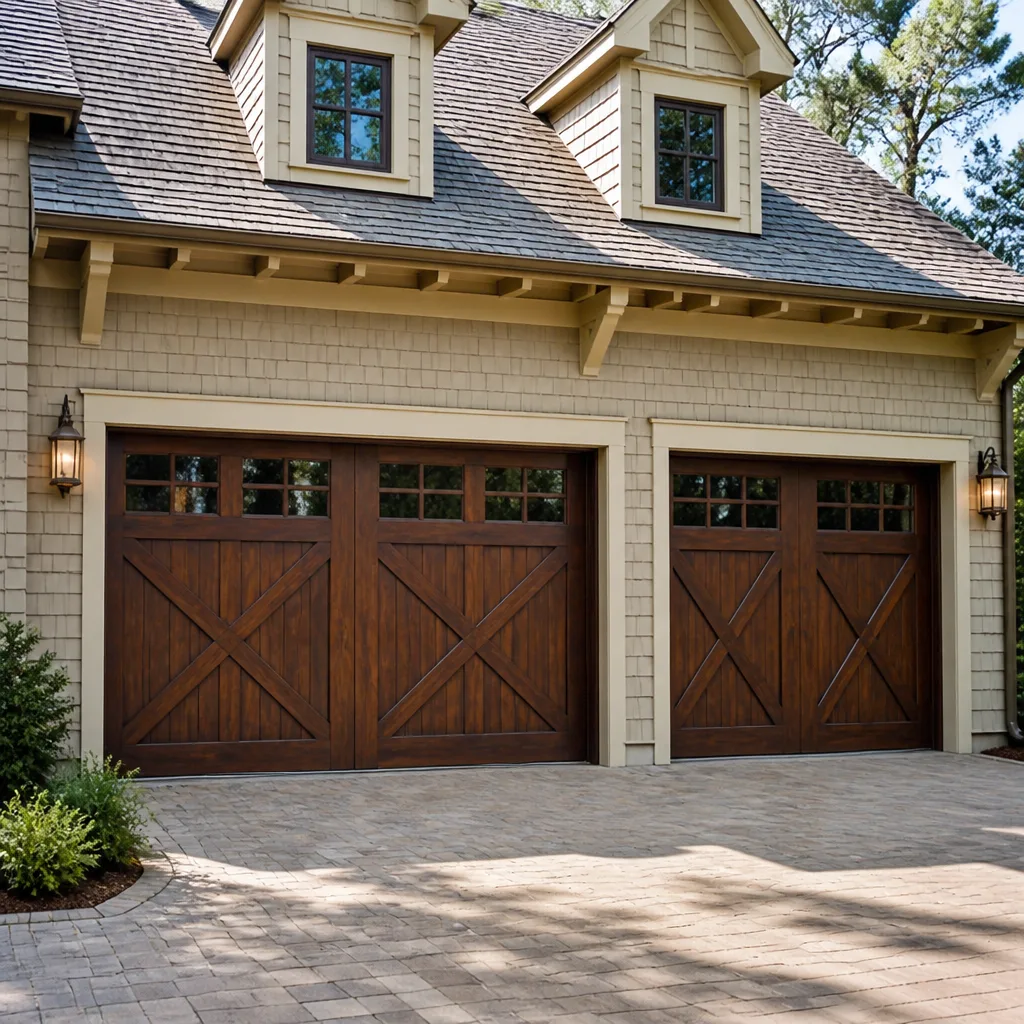 Carriage house
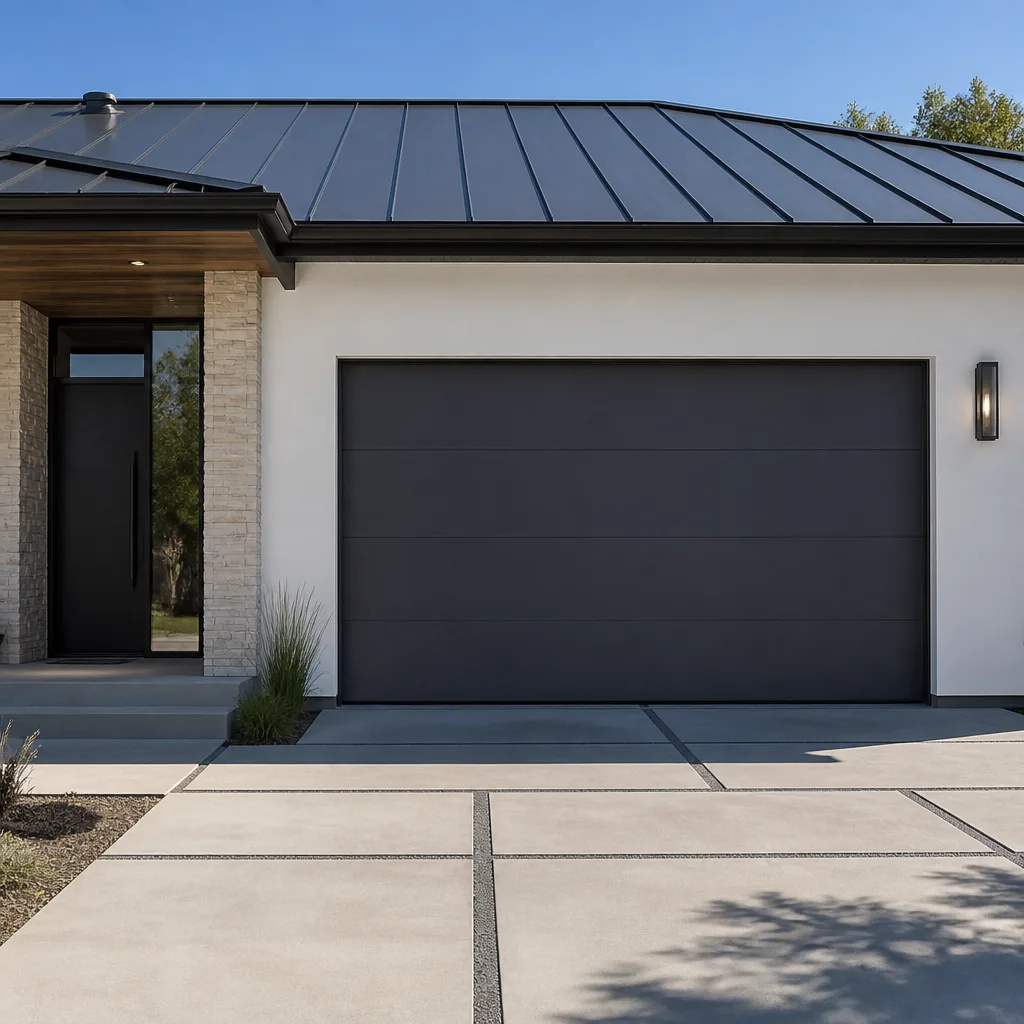 Modern flush
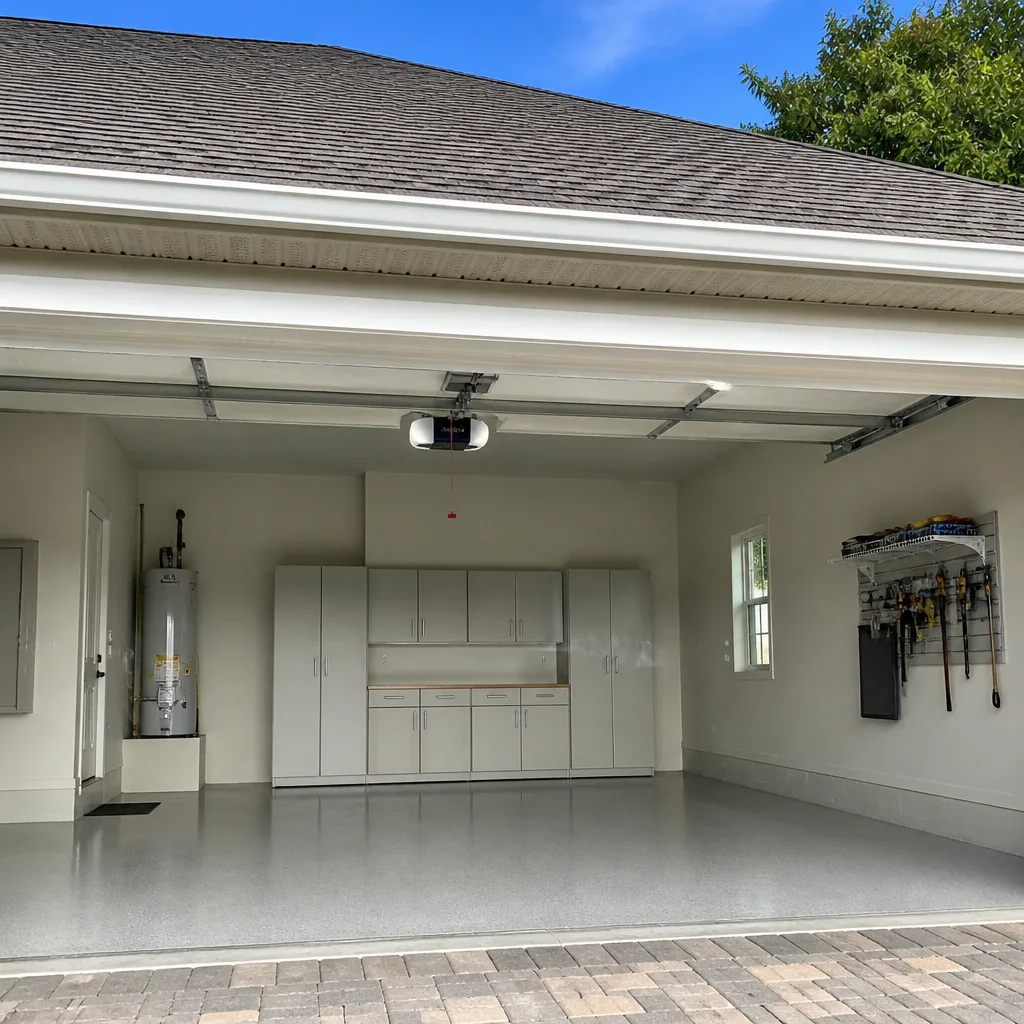 LiftMaster openers
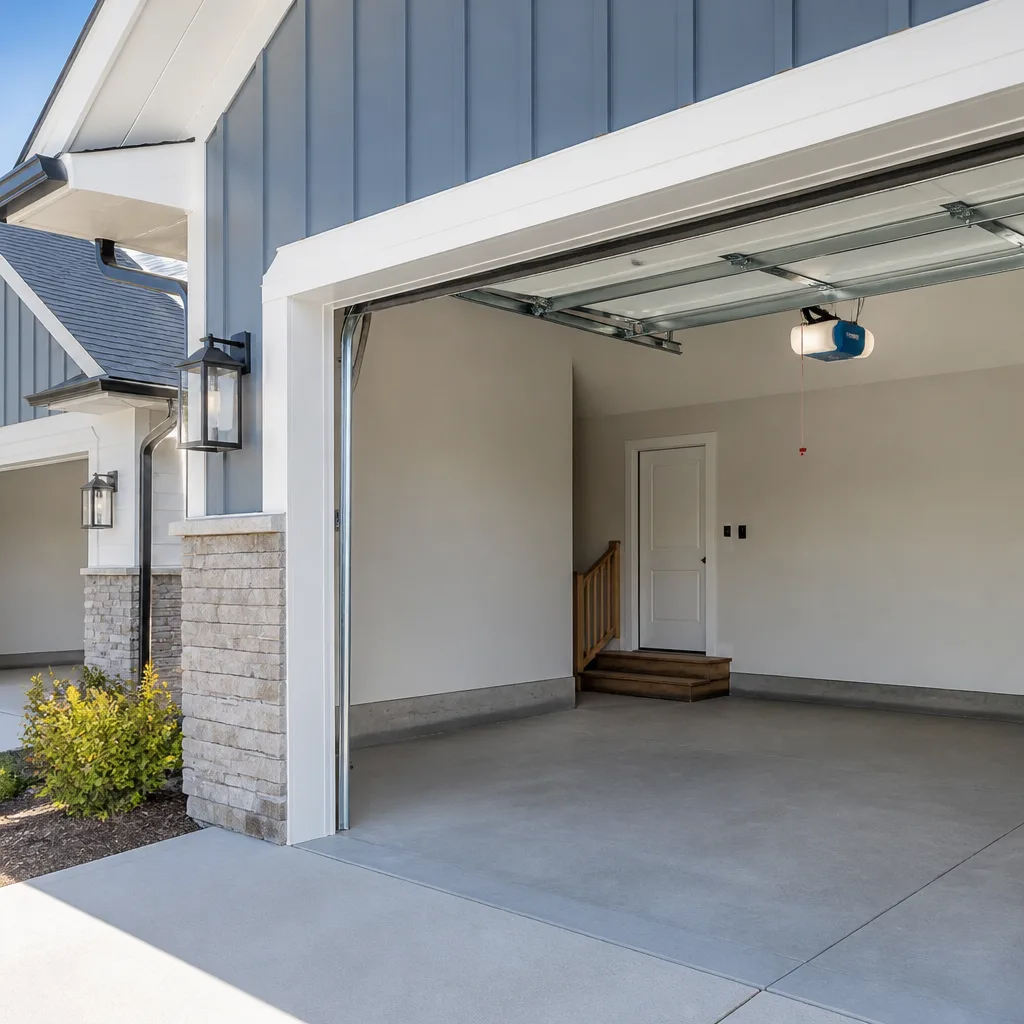 Chamberlain openers
Full 25-point door and opener safety check with every visit - springs, cables, rollers, tracks, and your LiftMaster or Chamberlain opener included
You get a price before we start. It does not change when the pro arrives.
Get your free estimateGarage Door Warning Signs: A Channelview Homeowner’s Reference Guide
A garage door doesn’t just break. In almost every case we look at, it showed at least three warning signs first: a new rattle, a panel that stopped sitting flush, a squeal at the halfway point. The homeowners who end up with a snapped cable and a car trapped inside ignored every one of them, usually because nobody told them which sounds matter and which are just the door clearing its throat. This guide fixes that. You’ll learn to map each sound to the component causing it, sort every warning into act-now versus schedule-soon versus monitor, and run one safe balance test that reveals a tired spring before it fails. Everything here is written for Channelview homes, where humidity and summer heat shape how these parts wear.
Quick Answer
If your door makes grinding, popping or squealing sounds, moves unevenly, or refuses to open more than a foot, treat it as an active warning and stop cycling it until it’s inspected. A door that won’t respond at all is usually an opener or power issue, while a door that runs but strains, jerks or hangs is almost always a spring, roller or track problem. Anything involving a spring or cable calls for a trained technician, not a weekend repair.
Styles & brands we work with
- Raised-panel steel
- Carriage house
- Modern flush
- Full-view glass
- LiftMaster openers
- Chamberlain openers
Table of Contents
- The Triage Framework: Act Now, Schedule Soon, or Monitor
- What Each Sound Tells You at the Component Level
- Visual Warning Signs in Channelview’s Climate
- Opener Problem or Door Problem? How to Tell the Difference
- The Balance Test That Reveals a Failing Spring
- Why Garage Door Problems Surface in Channelview’s Heat and Humidity
- What Warning-Sign Repairs Typically Cost
- Common Mistakes to Avoid
The Triage Framework: Act Now, Schedule Soon, or Monitor
Not every warning sign means stop everything. Building a simple priority system is the most useful thing you can do, because it separates the noise from the danger and stops you from either panicking over a squeak or ignoring a cable that’s about to snap. Here’s how we sort them in practice.
Act Now: Stop Using the Door
These signs point at parts under extreme tension or structural failure. Keep the door down if you can and keep it down. Don’t force it.
- Any visible fraying, kink or broken strand on a cable
- A spring with a visible gap or two separate coil sections
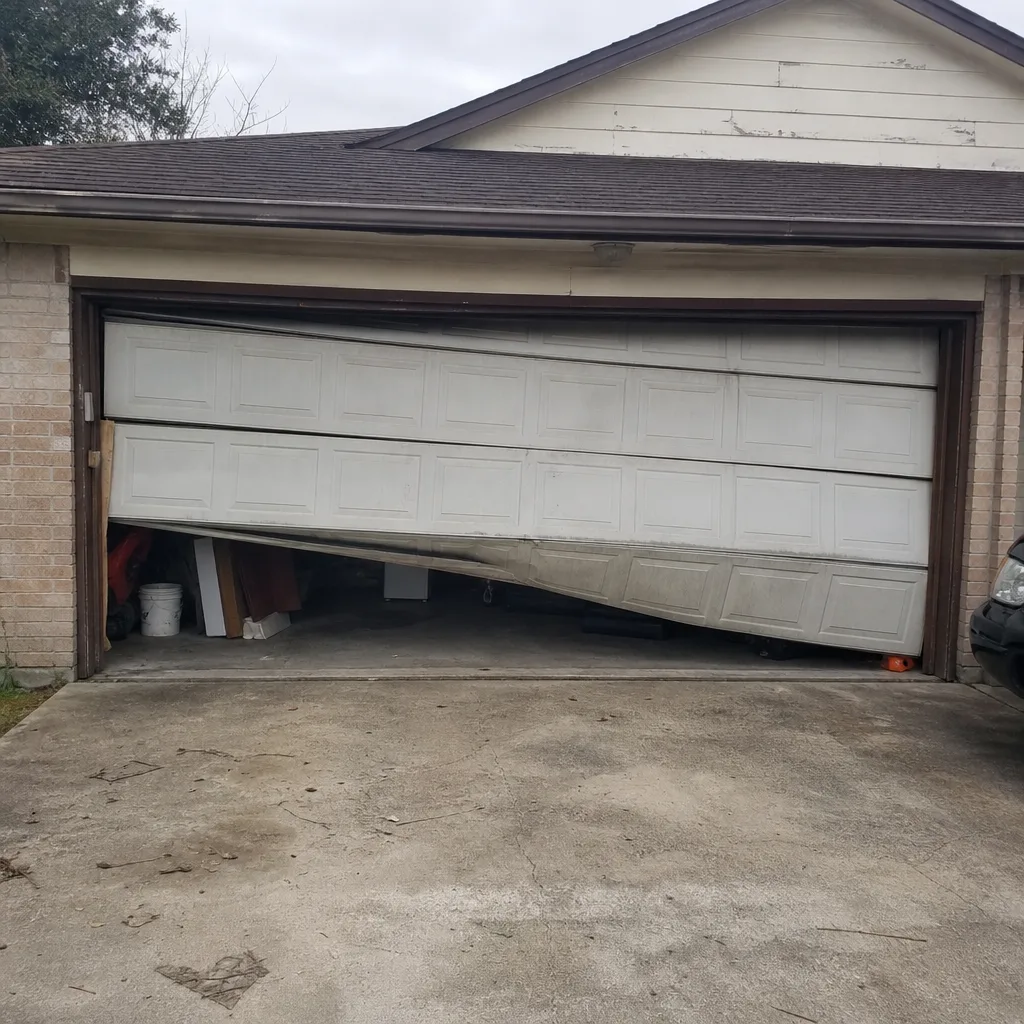
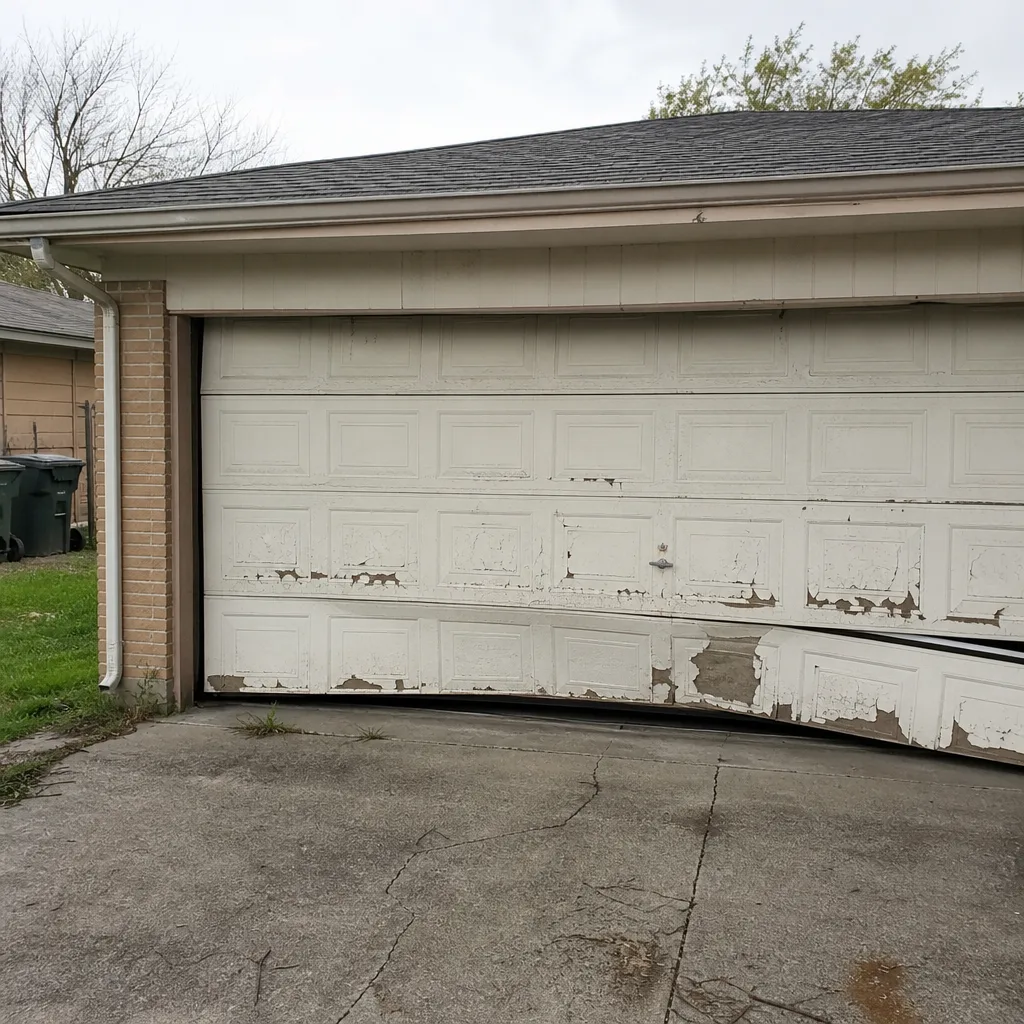
- A door hanging crooked, with one side noticeably higher than the other
- A loud bang followed by the door suddenly becoming very heavy
- Cables hanging slack or wrapped loose around the drum
- A door that falls fast or slams instead of lowering smoothly
Schedule Soon: Book It This Week
These are real problems, but they aren’t an immediate safety hazard. The risk is that they get worse and drag other parts down with them.
- Grinding or squealing noises that have appeared recently
- The door reversing before it fully closes, or not closing flush
- An opener that works from the wall but not the remote
- Rollers that wobble or look flattened on one edge
- The door vibrating or rattling heavily through one part of its travel
Monitor: Watch and Note
These are minor, but you should track them. If they grow, they move up the list.
- Light squeaking at the hinges or rollers
- A slightly noisy opener that’s otherwise reliable
- One loose bolt on the track or bracket that you can see backing out
- Minor scuffing or a small uneven spot on the bottom seal
Every one of these can be answered with a trained look, and our team works on garage doors only, so we’ve built the triage into the way we diagnose. If you’re unsure which bucket a sign belongs in, that’s what garage door repair visits are for. Getting the priority right is half the fix.
What Each Sound Tells You at the Component Level
Sound is the fastest diagnostic tool you have, and most homeowners get the cause wrong because two very different problems can sound similar from the driveway. Here’s the sound-to-cause map we use.
Grinding
Grinding is metal dragging on metal. It usually comes from dry or seized rollers, a track that’s bent slightly out of line, or the opener’s trolley carriage wearing against the rail. If the grinding is steady and worsens as the door rises, suspect the rollers and track. If it’s a harsher grind at the opener head, check the drive gear or sprocket housing.
Squealing
A high-pitched squeal is almost always friction at a hinge, roller stem or bearing plate with no lubrication left. In Channelview, the combination of heat and humidity dries out grease and drives dust into hinges faster than in a cooler climate, so a squeal that appears without any obvious damage is often just parts that need a proper graphite or lithium application at the right points, not a replacement.
Popping
Popping is the one to take seriously. A pop at the start of a cycle, repeated each time the door starts down or up, can mean a broken spring’s coils are catching, a cable is binding on the drum, or a torsion system is unwinding unevenly. If the pop is accompanied by a sudden change in door weight, shut the door down and call a technician. This is the sound that precedes a lot of cable failures.
Rattling
Rattling is vibration, not failure. Loose hinge screws, a bottom bracket that’s backed off, a flapping handle, or an opener mount that needs tightening are the usual culprits. A rattle you can trace by ear to one panel or one side is generally simple to correct. A rattle from the whole door at once suggests the opener’s force is set too high, which is a quick adjustment but an important one.
Banging or Slamming
If the door drops the last few inches rather than lowering into place, the spring has lost tension or broken. A slam means the counterbalance that should be supporting the door’s weight isn’t. Stop using it and get a qualified look. Metal under tension on a garage door can cause serious injury, which is why we always recommend a trained technician for anything involving springs or cables.
Visual Warning Signs in Channelview’s Climate
Some of the most telling problems look cosmetic but aren’t. Around Channelview, we see a specific pattern of wear that comes from heat, humidity and the way doors sit against the sun.
Rust That Tells You Where the Water Goes
A light orange bloom on the hinge stems or roller shoulders is common and usually means routine hardware wear. But rust that’s concentrated on the bottom section and inside the panel seams points to your bottom seal letting moisture sit against the door. When the seal goes, the door’s lowest section stays damp, and that’s where panel corrosion starts. That same wet seam is why a door can look fine from the street and something very different at knee height.
Seal Gaps and Sagging Bottom Sections
A bottom seal that doesn’t sit flush is a warning about more than drafts. When the seal wears on one side, it’s often because the door isn’t travelling level or the bracket on that side has shifted. Checking the seal line after each full close will show you a crooked door before you notice it any other way.
Panel Warping That Points to Mechanical Strain
In the heat, hollow steel panels can bow, and we always want to know why before they’re replaced. A panel that bows near a hinge or roller, or that sits out of alignment with the ones beside it, can be a symptom of a bent track, a worn hinge or a spring that’s pulling unevenly. In a Channelview summer, a door heats up and expands across the face, and a door that’s already fighting its track will look worse. Fix the strain and the panel often settles back.
Weatherstripping and the Gaps You Can See
Sun and humidity age the perimeter weatherstripping faster than you’d expect. If the strip at the top or sides is cracked, brittle or pulling away, it’s telling you the door is working harder to seal against an opening it was never matched to when the materials were new. A loose top seal also lets rain blow in during a storm, and that moisture ends up exactly where you don’t want it, on the tracks and hinges.
Opener Problem or Door Problem? How to Tell the Difference
This is the diagnostic step homeowners get wrong most often, and it costs them. When a door won’t respond, most people assume the opener has died, when they actually have a perfectly healthy opener and a jammed, heavy or out-of-balance door. The rule to remember: the opener doesn’t lift the door alone. It pulls against the door’s counterbalance, so a struggling door often looks like a broken opener.
Here’s a quick test you can do without tools:
- Pull the manual release. Every opener has a red release handle on a cord. Pull it. This disconnects the door from the opener rail.
- Lift the door by hand. An evenly balanced door should rise smoothly with steady effort and hold position when you let go at about halfway.
- Watch how it moves. A door you can lift with modest effort and that stays where you leave it has a working counterbalance and a likely opener problem. A door that feels very heavy, drops on its own, or needs both hands and your shoulder is telling you the problem is the door, not the opener.
- Re-engage the release. Once you’ve tested, re-hook the release to the opener trolley before trying the opener again.
Signs the Opener Is the Problem
- The door moves fine by hand, but the opener hums and doesn’t move it
- The opener runs but stops partway with a light-flash code
- The remotes stopped working while the wall button still does, or vice versa
- The opener’s lights flicker or the unit clicks and resets
- The safety sensors are misaligned, dusty or have a wiring fault
Signs the Door Is the Problem
- The opener pulls hard, then the door sticks or reverses
- The door is very heavy to lift, or drops when released
- A roller has jumped the track or a track section is bent
- The door binds on one side only
- The door has lost tension on the spring
Get this distinction right and you save yourself a wrong repair. We’re fluent in the professional-grade opener brands like LiftMaster and Chamberlain, as well as the consumer units, including Craftsman and Genie, and the range of doors from Clopay, Amarr, Wayne Dalton and Raynor. If your opener is the issue, it falls under garage door opener repair and a proper diagnosis. If it’s the door, that’s a different job entirely.
The Balance Test That Reveals a Failing Spring
This is the single most useful safe check any homeowner can run, and doing it once a season can catch a spring on its way out before a cable snaps. The test shows you whether the door’s weight is still being held; it doesn’t ask you to touch or adjust any spring. Never attempt to adjust, wind, or remove a torsion spring yourself. That’s a job for a trained technician, and a coil can release with enough force to cause serious injury.
How to Run the Balance Test
- Close the door fully and pull the manual release so the door is disconnected from the opener.
- Lift the door smoothly by hand to about waist height, where a healthy door should feel easiest.
- Let go. A balanced door should stay put, or drift only slightly.
- Lift it to the halfway point, roughly chest height, and let go again. Same test.
- Lift it to just below fully open and lower it slowly by hand. It should descend with steady, even resistance.
What the Results Mean
- Holds position at every point: your springs are still doing their job. Re-engage the opener and get on with your day.
- Sinks slowly, or feels heavy to lift: the springs have lost some tension. This is the earlier warning I was describing. Book an inspection before it gets worse.
- Drops quickly or will not stay up: a spring has failed or a cable is compromised. Keep the door closed and call a professional. Do not cycle the opener.
- One side lifts harder than the other: the balance is off on one side, which can be a broken or stretched spring, a stuck roller or a bent track. That’s worth a same-day look.
If any result makes you uneasy, don’t override your instinct and force it. That’s what garage door spring repair is for. It’s the one repair we recommend nobody tries to teach themselves, and it’s the one we handle in-house rather than handing off.
Why Garage Door Problems Surface in Channelview’s Heat and Humidity
Winters here are mild, so the seasonal pattern of garage door trouble looks different from colder parts of the country. In our experience, the wear cycle in Channelview clusters around the long, humid summer rather than the freeze-up that drives garage door failures elsewhere.
Through the hot months, metal parts expand and contract daily, and doors that were tuned to sit flush in March can show a gap in July. Heat also dries out the grease in hinges and roller bearings, which is where the squeal comes from. Humidity adds its own layer: it drives fine airborne dirt into any dry joint and leaves a moisture film on steel below the dew point, which is why the bottom of the door, the tracks and the hardware see surface rust first.
Garage-door openers feel it too. The opener’s internal gear assembly and the force settings are set to lift a specific door weight, and as the door stiffens with heat and its springs lose a little tension over hundreds of cycles, the opener starts pulling against more than it was set for. That’s when you see the door reversing partway up, or the light on the opener flashing. A door that worked flawlessly in the winter can need a quick tune-up by the first true summer heat.
The other pattern we notice in Channelview is the effect of the sun on a west-facing garage. A door that spends the afternoon in direct sun at the hottest part of the day will show warped panels, hardened seals and dried-out hardware sooner than one facing the other direction. Not every warning sign is a mechanical problem; sometimes it’s the local weather testing the material over and over. If your door is showing the symptoms above, a Channelview Garage Door Repair Pros inspection gives you the actual cause instead of a guess.
What Warning-Sign Repairs Typically Cost
Cost is the second question everyone asks, right after “how bad is it?” Here’s how the most common warning-sign repairs usually price out in and around Channelview. These are typical estimates, not quotes. The written estimate you get before any work starts is the number that matters, and it’s quoted and agreed before a technician touches the door.
| Repair | Typical Estimated Cost | What It Addresses |
|---|---|---|
| Single torsion spring replacement | $180-$340 | Loss of counterbalance, popping, heavy door |
| Cable replacement | $150-$300 | Frayed or slack cable, uneven lift |
| Roller and hinge service | $120-$250 | Grinding, squealing, rattling |
| Track realignment | $150-$350 | Bent or misaligned track, door hangs crooked |
| Panel and section repair | $200-$600 | Warped, dented or misaligned panels |
| Opener repair | $150-$400 | Grinding at the head, reversing door, dead remotes |
A spring price above is per spring. If both springs are worn out together, which is common, the pair costs roughly twice a single spring. We always explain what’s worn, what might fail next and what it will cost before you agree to anything. If the estimate surprises you, the right move is to pause and ask questions, not to sign at the door. When you’re ready for a checked diagnosis, call (855) 658-4106 for a free estimate and a written price.
The other thing worth saying plainly: the price doesn’t change because a sign is urgent. A failing spring isn’t a more expensive repair at 8am than at 4pm. What changes is how much damage it takes with it if a door is cycled repeatedly while it’s failing.
Common Mistakes to Avoid
- Pulling the manual release and abandoning it. If you disengage the opener to run the balance test and then walk away, the door can drop on its own if the spring is weak. Always re-engage the release on the trolley before you leave it.
- Ignoring the pop. A pop that repeats is the clearest early warning a torsion system gives, and it’s the one most often shrugged off until a cable goes. Track it and get it checked.
- Greasing everything. Spraying a general lubricant on every part is a common habit in Channelview homes, but it draws dust into the tracks and can make rollers slip rather than roll. Hinges and bearing points need the right product; the tracks should stay clean and dry.
- Blaming the opener for a door problem. Buy and install a new opener and you’ll find you still have a heavy door, and possibly a heavier bill. Run the balance test first; it costs nothing and tells you which end the fault is on.
- Bolting the seal to hide a crooked door. A new bottom seal won’t fix a door that drops on one side, and the crooked travel will wear the new seal out faster. Find the balance cause first.
- Replacing a panel when the problem is alignment. In a Channelview summer, warped panels are often a symptom of a door fighting a bent track or uneven spring tension. Fit a new panel to a strained door and it can distort too.
- Adjusting the springs yourself. The torsion system holds the full weight of the door under tension. This is not a DIY job, and the most common result of trying is a workshop bill and a hospital visit. Leave it to a trained technician.
See the difference
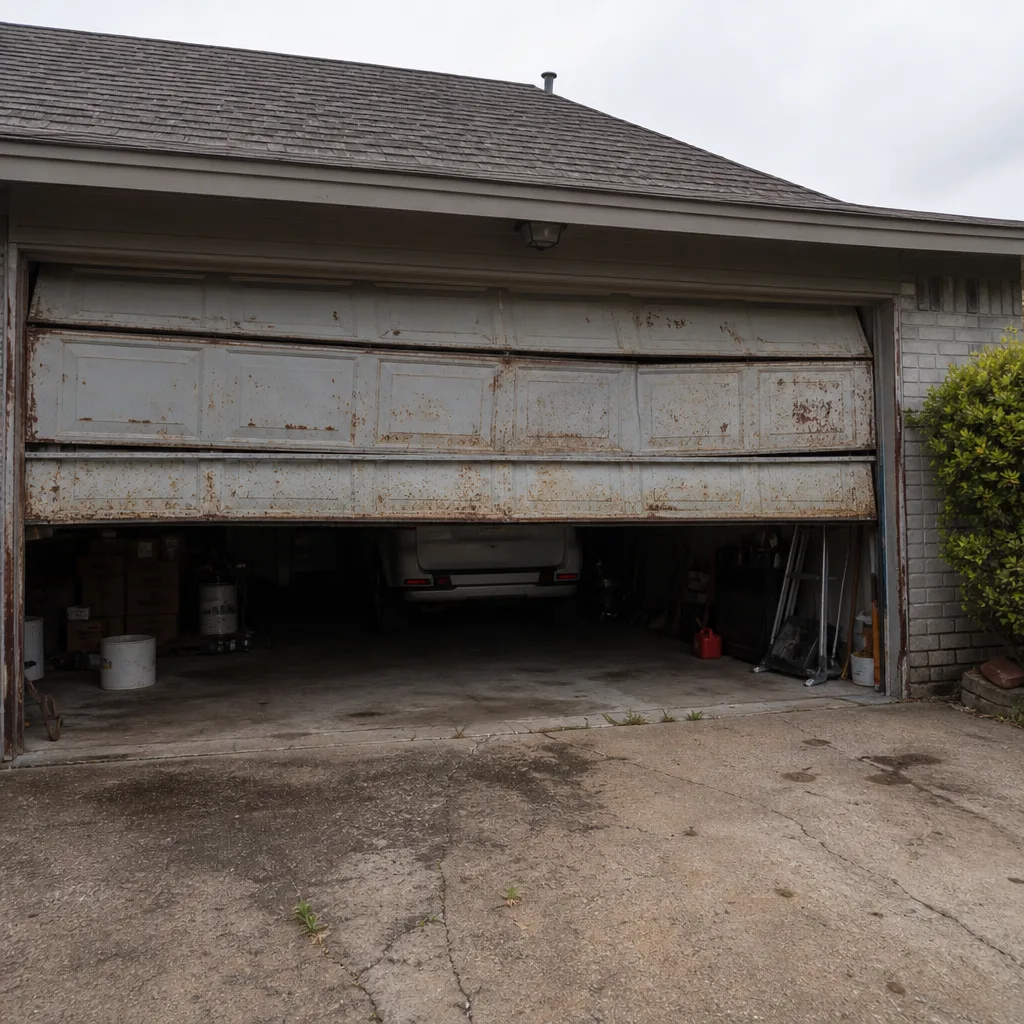 Before
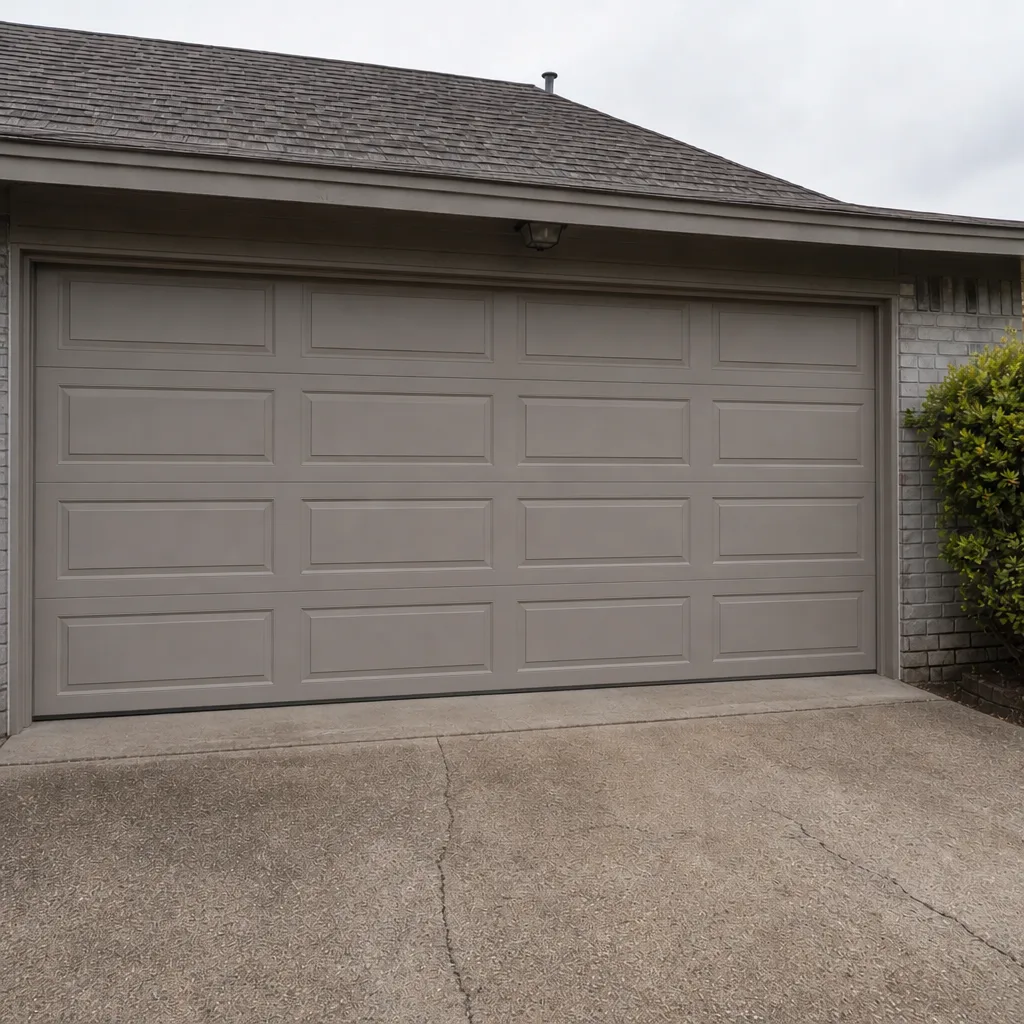 After
 Before
 After
 Before
 After
When to Call a Professional
Call a professional the moment a warning sign involves a spring, a cable, a crooked door or a heavy door that drops. Those are the four signs where the risk is real and the fix is skilled. Also call when a warning keeps returning after a tune-up, when a door reverses at random, when the opener flashes a code you can’t clear, or when a bottom section is rusting through at the seam. If you’re not sure, a phone diagnosis can usually tell you what category you’re in within a minute or two. We answer 24/7, and dispatch runs 7am to 7pm Sunday through Friday. Channelview Garage Door Repair Pros offers free estimates in Channelview, so call (855) 658-4106 if you’d rather have it looked at properly than guess.
Frequently Asked Questions
The most common ones we find in Channelview are squealing hinges from dried-out lubrication, grinding rollers, a pop at the start of a cycle, and a door that reverses partway down. The humidity here tends to dry grease and drive dust into joints, and that shows up as noise first. Next to that is a door that feels heavy by hand, which points to spring tension loss. If a door is also hanging crooked, treat it as urgent and stop cycling it.
Not always, but it deserves a same-day look, and you should limit door use until it’s checked. A pop can be a worn hinge, but repeated pops on the same cycle often mean a cable binding, a spring catching, or a torsion system losing its grip. Since those parts are under high tension, keep the door closed and don’t try to work on the mechanism. Call (855) 658-4106 for an exact quote, and estimates are free.
Spring repair in Channelview typically runs $180-$340 for a single torsion spring, and a matched pair costs about twice that when both are replaced together. Cable replacement is usually $150-$300, and roller and hinge service falls around $120-$250. These are typical estimates; the written estimate we give you before any work starts is the price. Call (855) 658-4106 for an exact quote, and estimates are free.
Pull the manual release and lift the door by hand. If it rises smoothly and holds position, the counterbalance is fine and the opener is likely the fault. If it’s heavy, drops on its own, or needs serious effort, the door or its springs are the issue, not the opener. That one test settles most of it, and it doesn’t require tools or any contact with the spring mechanism.
It can, but it’s rare. In our experience, a spring or cable that fails without warning almost always had a period of popping, uneven movement or a heavy feel that went unnoticed. The one caveat is a spring that fails while the door is at rest, which can happen without a clear lead-up. That’s why the balance test once a season is worth the two minutes it takes. We answer 24/7 if something does go, and fast dispatch from 7am to 7pm runs Sunday through Friday.
No; the written estimate you agree to is the price, and a technician won’t start work until you’ve accepted it. If an inspection turns up an additional problem, it’s explained and priced before any of it is done. There’s no diagnostic fee, and the estimate itself is free. Call (855) 658-4106 for an exact quote.
The Bottom Line
Garage door failures are almost always preceded by warnings, and the difference between a quick repair and a snapped cable comes down to whether you knew what to listen for. Use the triage framework to sort each sign into act-now, schedule-soon or monitor. Map new sounds to their likely component. Run the balance test once a season and don’t confuse a heavy door with a dead opener. In Channelview, expect the long humid summer to be the season that surfaces dried hinges, warped panels and tired springs. When in doubt, get a trained look; it’s cheaper than a wrong guess.
If a warning sign has you stumped or you’d rather have it checked before it turns into a problem, call (855) 658-4106 for a free estimate. We answer 24/7, with fast dispatch from 7am to 7pm, Sunday through Friday.
Written by the team at Channelview Garage Door Repair Pros.